Sunday, March 8, 2015

A few things... Science

Oh how I loved science in the elementary grades!  The level of wonder is so much fun!  I love studying biology in first grade.  If you do some biome studies, then you will cover some earth science topics as well as biology.

If you'd like to have some sort of backbone to guide your studies, you might take a look at a free, online curriculum (you can print out the worksheets, if you like) at Mr. Q's website.  He combines bio studies with biomes and foodwebs, etc., so you do get a little earth science thrown in, as well.  I'd say the written work is really more geared toward third or fourth graders, and I really don't think you need to include written work, tests, etc. when kids are only in first grade, but everyone's different, so if your child needs/wants that, you might check it out!

http://eequalsmcq.com/ClassicScienceLife.htm


I would primarily use "living books" and good quality films, along with nature walks, visits to zoos and aquariums, etc. for biology study in first grade.  Many zoos and aquariums have websites that offer scavenger hunts, matching, etc. that you could use to supplement a visit.

http://greenapplesblush.blogspot.com/2010/12/books-i-used-with-first-grade-biology.html

I also mentioned some good beginning readers that cover biology topics in my first post in this series.

Some scavenger hunts you might like to use at various times of year when the weather is good enough to go outside (and one that comes with info cards so you can use it when cooped up in the house):

https://dl.dropboxusercontent.com/u/41895766/Garden%20Scavenger%20Hunt.pdf

http://www.scribd.com/doc/49905847/Bird-Watching-Scavenger-Hunt

http://pennycarnival.typepad.com/files/the-park-scavenger-hunt.pdf (can label as biotic and abiotic, etc.)

http://www.scavenger-hunt-guru.com/nature-in-the-city.html (an urban environment provides a lot of "edge" zones which are quite rich in life - you might be surprised)

http://www.momsandmunchkins.ca/wp-content/uploads/2012/07/bug-scavenger-hunt.pdf

http://www.momsandmunchkins.ca/wp-content/uploads/2013/07/park-scavenger-hunt.pdf

https://jmcrempsblog.files.wordpress.com/2013/04/kids-bird-watching-spring-scavenger-hunt.pdf

North American Birds Sticker Book

For a little sticker fun....

http://www.nwf.org/kids/family-fun/outdoor-activities/~/media/91DE90FCB4FA4324A8DA55A4C6520B6B.ashx

http://www.superteacherworksheets.com/animals/mammal-scav-hunt_MAMMA.pdf

http://www.lexington1.net/technology/instruct/lessons/elementary/butterfly/butterfly.pdf

http://butterfly-conservation.org/files/butterfly-conservation-scavenger-hunt-list.pdf

http://www.kcedventures.com/images/pdf/early-spring-scavenger-hunt.pdf

That gives you some ideas, anyway, and it's easy to customize your own scavenger hunts for your particular area!

In the winter months (February, specifically), you might like to join in the great backyard bird count:

http://gbbc.birdcount.org/

In November, you might try your hand at counting monarchs:

http://www.monarchprogram.org/monitoring-monarch-sites/


Food chain tutorial and worksheets:

http://www.turtlediary.com/grade-1-games/science-games/food-chain.html

http://firstgradewow.blogspot.com/2013/02/riding-food-chain.html

Biome info:

http://biologycorner.com/worksheets/biome_map_key.html

http://teacherexpress.scholastic.com/instant-habitat-dioramas


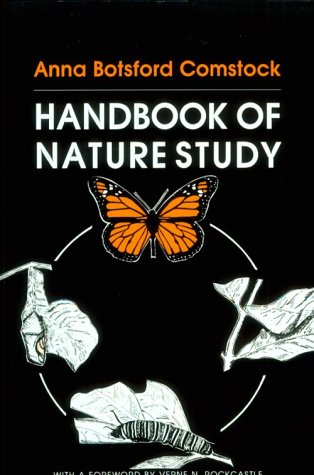
Don't forget to check out the Outdoor Hour and all the info you can find from Harmony Art Mom!  She has available many free resources, as well as things you can buy to help you with both nature study and art!  Keep a nature journal that incorporates your pressed flowers, leaves, photos and drawings of critters and plants, etc.

http://handbookofnaturestudy.com/


Don't forget to incorporate lapbooking into your studies!  You don't have to do full-blown lapbooks to use the mini-book elements, either.  You can incorporate some of those into notebooking or timelines, too!

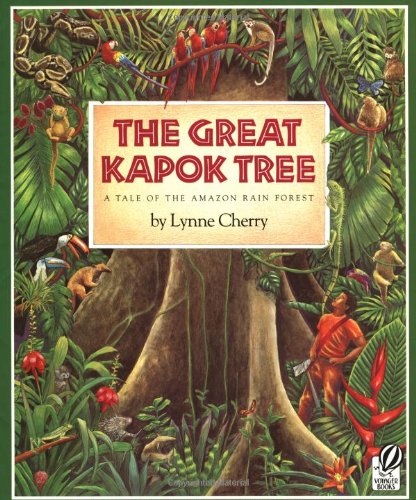
Here's a free lapbook from HomeschoolShare regarding the rainforest biome.  It is based around the wonderful book The Great Kapok Tree:

http://www.homeschoolshare.com/great_kapok_tree.php


For studying a creek biome:

http://www.homeschoolshare.com/crawdadcreek.php

(Such studies also generally incorporate some cultural topics, as well....)

When you're studying bugs in general, or butterflies in particular:

http://www.homeschoolshare.com/isabel.php

And since the monarch count is in the fall, you might want to look at other insects that are active in fall, such as grasshoppers and crickets, too:

http://www.homeschoolshare.com/a_pocketful_of_cricket.php

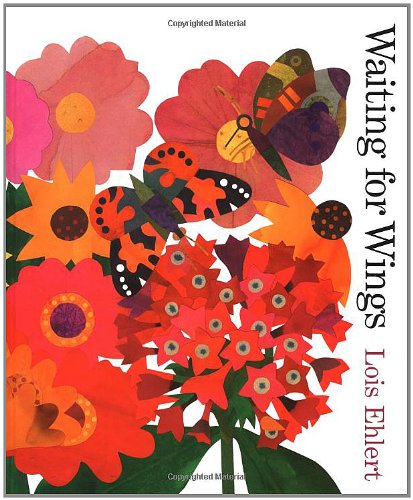
A book about butterflies:  Waiting for Wings, Lois Ehlert


Bees!  Flight of the Honeybee, Raymond Huber

 (Could go with flower study, too....)

Life on an island:

http://www.homeschoolshare.com/little_island.php

Birds; food chains:

http://www.homeschoolshare.com/make_way_for_ducklings.php

When studying birds, or other animals that lay eggs, you might like to include some elements from this study, as well:

http://www.homeschoolshare.com/RechenkasEggs.php

(If you wish to ignore some of the social studies aspects of these and play up the science, instead, you could find other related mini-books to add in to make the study more focused on science....)

This study includes a lot of hummingbird elements:

http://www.homeschoolshare.com/time_of_wonder.php

This one might be fun in winter time, adding it into winter tree studies, etc.:

http://www.homeschoolshare.com/maple_syrup.php

And here's another one for winter, based on the Frost poem, "Stopping by Woods," which includes info on animals in winter (hibernation, etc.) and animal tracks.  It would be good to add to a winter tree study, winter forage for animals, etc.  Also good to add animal/bird feeding stations to your yard to watch critters foraging in winter:

http://www.homeschoolshare.com/stopping_by_the_woods.php

When you're studying ocean biomes, you might like to include some elements from these:

http://www.homeschoolshare.com/nico.php

http://www.homeschoolshare.com/night_of_the_moonjellies.php

For amphibians:

http://www.homeschoolshare.com/salamander_room.php

Bats!  (and other night animals):

http://www.homeschoolshare.com/stellaluna.php

Tree study:

http://www.homeschoolshare.com/trees.php

I don't notice any books associated with this one, but there are plenty out there!  Here are some ideas:

Red Leaf, Yellow Leaf, Lois Ehlert
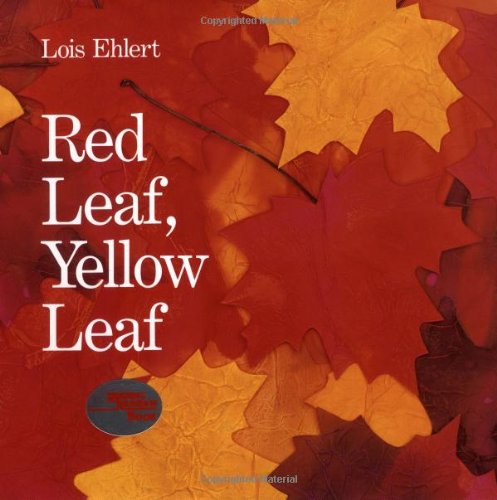


The Seasons of Arnold's Apple Tree, Gail Gibbons (both these authors have out tons of great books!)
Winter Trees, Carol Gerber (good for the winter studies, above!)
The Great Paper Caper, Oliver Jeffers
Crinkleroot's Guide to Knowing Trees, Jim Arnosky (ALL his Crinkleroot guides are terrific!)
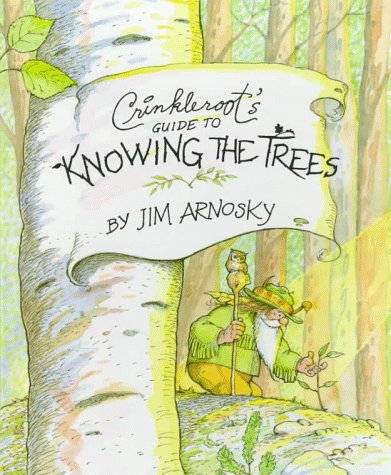


The Tree Book, Gina Ingoglia
Tell Me, Tree, Gail Gibbons
Be a Friend to Trees, Patricia Lauber
It Could Still be a Tree, Allan Fowler
The Apple Pie Tree,  Zoe Hall (also, Apples, Gail Gibbons)
The Life Cycle of a Tree, Bobbie Kalman


A Tree is Growing, Arthur Dorros
Life Cycle of an Oak Tree, Angela Royston
Sky Tree, Thomas Locker (more about drawing trees)
Leaf Man, Lois Ehlert (wonderful!) - good for fall
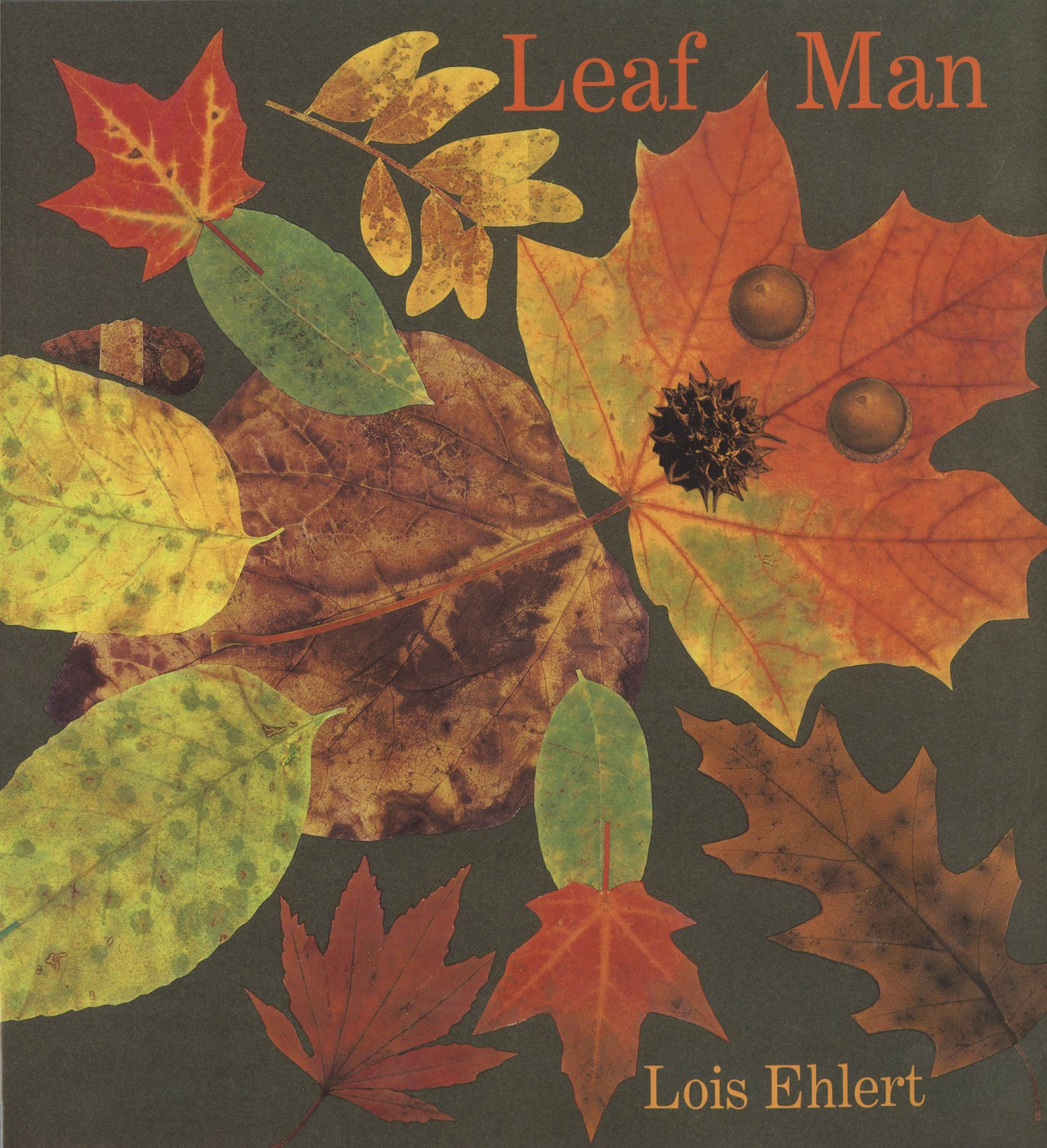


Leaf Collecting, Rona Beame - best to collect in spring or early summer, before bug damage
Leaf Jumpers, Carole Gerber - good for fall (and two more, especially if you've been growing your own pumpkins or gourds all summer:  From Seed to Pumpkin, Wendy Pfeffer - a Step 1 Let's Read and Find Out series book; The Pumpkin Book, Gail Gibbons - can you tell my favorite authors yet?)
A Tree is a Plant, Clyde Robert Bulla (Another Step 1 Let's Read and Find Out series book...)

A Tree Is a Plant

And more "tree" books for when you're studying other biomes:

Tree of Life, Barbara Bash (great book!  African Baobob trees) - could do with a study of the African bush....

Tree of Life

Desert Giant, Barbara Bash (she must like "trees," huh?)  This is also a great book to use when studying desert environments.
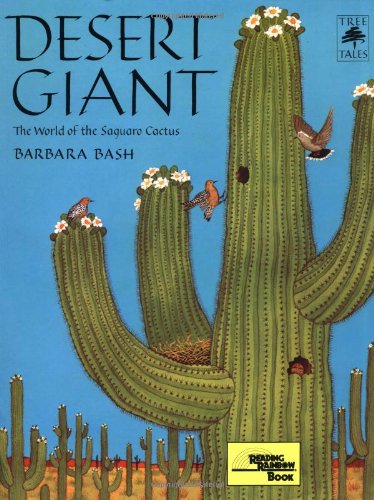


The Seed and the Giant Saguaro, Jennifer Ward

Cactus Hotel, Brenda Guiberson

Saguaro National Park (True Book), David Petersen

And, since I'm on a botany kick, let's do some books about other types of plants and specifically flowers:

The Magic School Bus Plants Seeds
A Dandelion's Life, John Himmelman
The Tiny Seed, Eric Carle
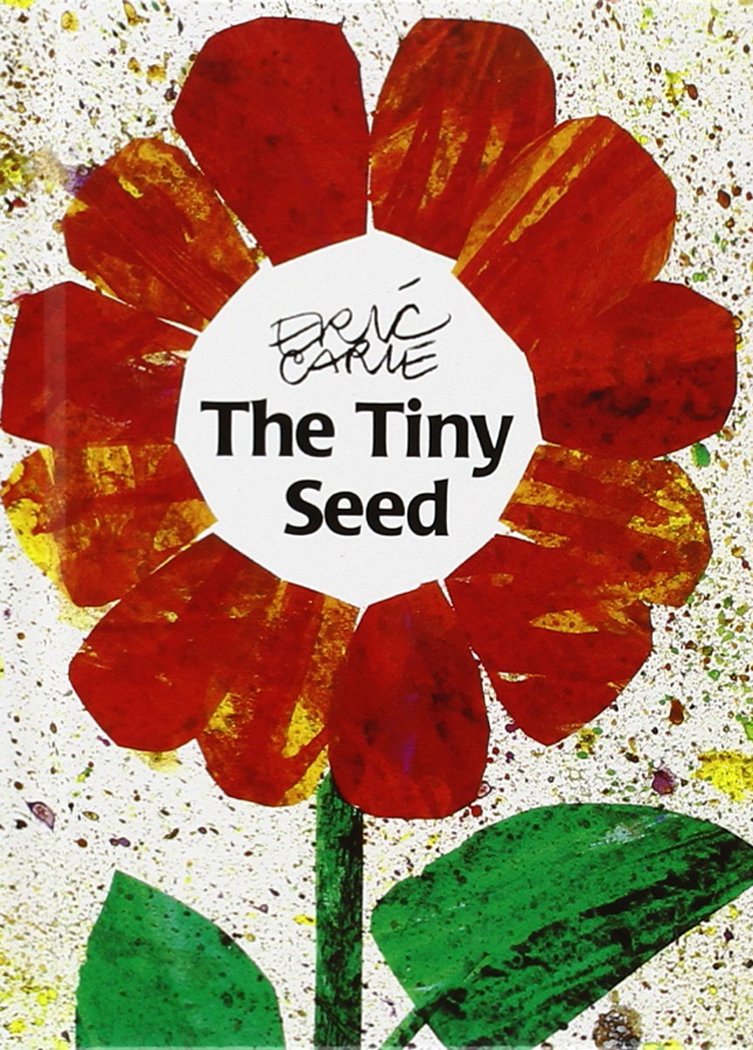


It Could Still be a Seed, Allan Fowler (this, and the one I just mentioned about trees are from that Rookie Read About Science series that I mentioned for early readers...)
The Reason for a Flower, Ruth Heller
From Seed to Plant, Gail Gibbons
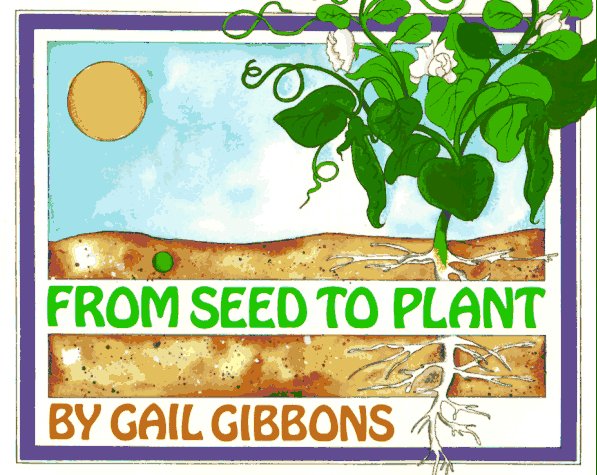


How a Seed Grows, Helene Jordan (A Step 1 Let's Read and Find Out series book...)
The Vegetables we Eat, Gail Gibbons
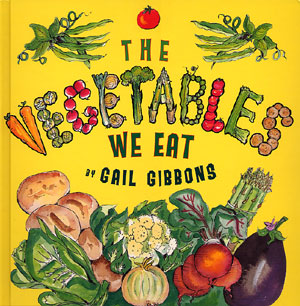
The Vegetables We Eat by Gail Gibbons

Living Sunlight, Molly Bang
How do Apples Grow?  Betsy Maestro

A fun project to do with both flowers and leaves is creating "tapestries" using just plain muslin or cotton fabric, or, as in the linked blog, using artist's papers:

http://buildmakecraftbake.com/2009/04/how-to-hammered-flower-and-leaf-prints.html

We did this project on muslin a few years ago and found that more often than not the colors produced after pounding are not at all the color of the flower or leaf prior to pounding!  So this is a good way to demonstrate the other colors that are hiding behind the primary pigment (which often come out in leaves in fall)....

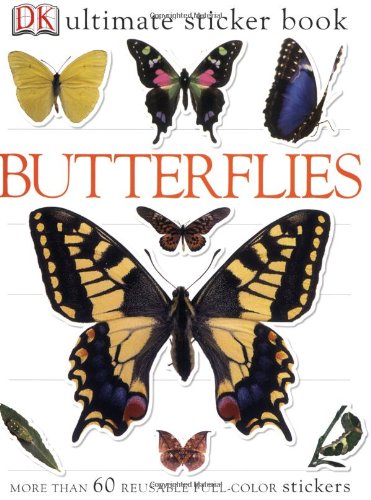
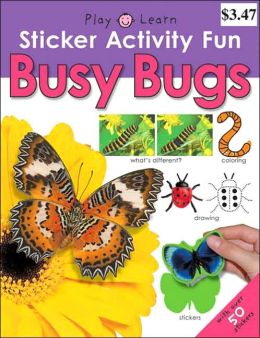
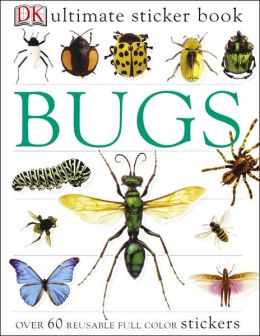
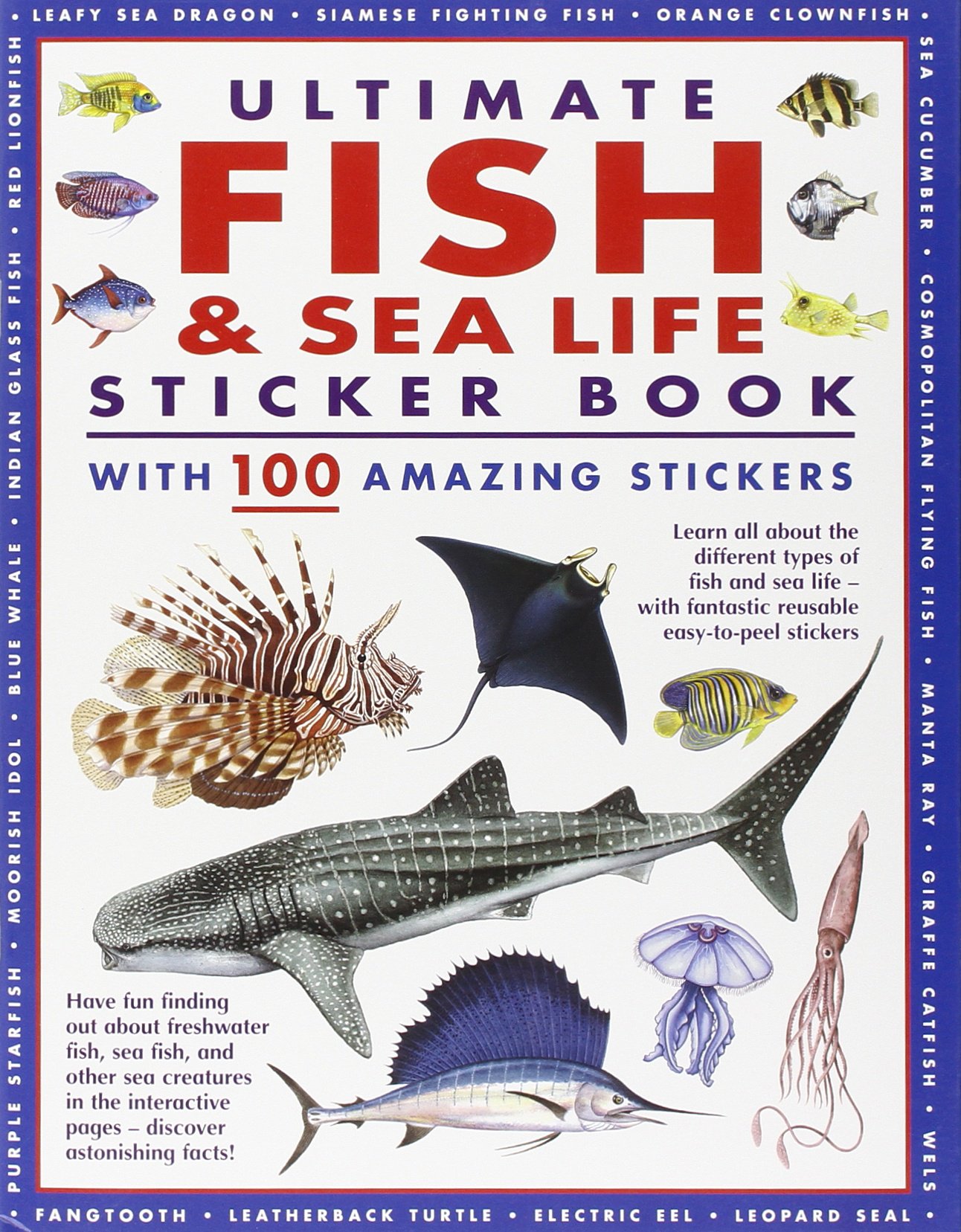
Maybe some more fun sticker books (if you can find those any more)?
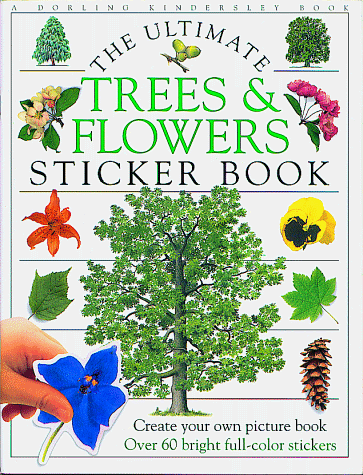


Or, some of the little Dover books that include info might be nice:
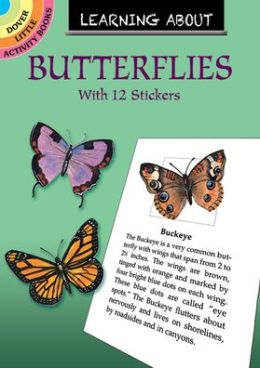
Learning about Butterflies

Busy Bugs (Sticker Activity Fun Series)

Bug (Ultimate Sticker Books Series)


And you may have noticed I'm not recommending coloring books.  For those who love to color, Dover has many beautiful and informative books available.  I think I'd rather see kids doing their own nature sketching however, as I note above....

We did a lot of classification work in first grade.  We created a huge poster with the different classes of animals listed and as we studied a particular type of animal we would add it to its proper place on the poster.  You could also do this in a notebook format or a timeline sort of format....  We created mobiles of various animal groups (birds, mammals, ocean life)....

OK, what am I neglecting?  Considering that many schools don't really teach science at this age, I think I've given you plenty to chew on!

Regena


Saturday, March 7, 2015

A few things... Math

There are so many wonderful resources online now for math enrichment!  I love looking at all the suggestions on Pinterest, etc.  As with any type of programming, different approaches may work better for one child than another. 

I used Singapore Math with both my boys (not the new, dumbed down versions available to kids in public school that complies with Federal mandates for ridiculousness via Common Core).   I continue to feel that it provides a very solid base for math studies, although some children may need more practice work in order to cement facts.  There is an American version out now, but you actually get more work with non-standard units of measure if you use the original version. 

Primary Math US 1A Textbook | Main photo (Cover)

You can look inside the book here:  http://www.rainbowresource.com/product/sku/023977

This is the U.S. edition.  If you'd like the original, then search at the above site for "Singapore Standards Edition."

There is a textbook and a workbook for each semester (so four books for first grade).  There are also home instructor guides if you feel you need help with how to present the programming, ideas for extra work, games, etc.  There is an answer key for books 1-3 all bound together.  Additionally, you can get extra practice workbooks, "intensive" practice workbooks (more difficult problems), math challenge workbooks for some levels, etc. 

These books are quite reasonably priced, even new!

For the beginning grades, I feel that while they do a good job of covering basic math, children do need extra work with what I've always considered "morning math."  This includes things such as place value, calendar math, money, time, basic geometry, etc.  I always cut my classes up into small chunks of 10-20 minutes (depending on the child and his needs).  I would cover different math topics in three sessions during the day so that it did not overwhelm them.  In one session we would do our Singapore math for the day, in another we would generally cover time and money until they became quite proficient at it, and in another we would cover various of the other topics each day.

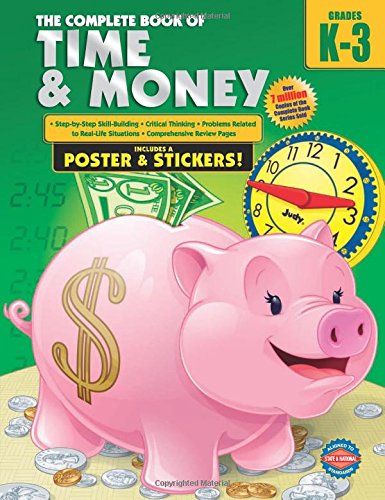
I always liked the Complete book series for colorful worksheets at this age.  One big book can easily be used from K or first  through about third grade. 


Here is a link where you can look inside (there are several different cover styles with the same content inside);

http://www.rainbowresource.com/viewpict.php?pid=008120

So, we used the more simple work, generally organized at the beginning of each section, for first grade, then saved the medium level work for second grade and the more difficult problems for third grade.  Half the book covers time topics and the other half money topics.

We also interspersed various card games, board games, and other activities into our daily practice in order to break things up.  Sometimes these books include suggestions for games, too.

This series even includes a Complete Book of Math Games, although I have never looked at it.  It probably pulls game ideas from its other math books:

The Complete Book of Math...

Here is a website that offers more ideas regarding time and money math, including a free unit on each that can be downloaded:

http://firstgradewow.blogspot.com/2013/05/telling-time-and-counting-coins-units.html

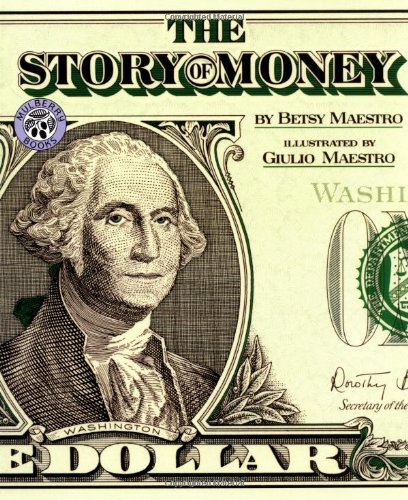
A fun book by the Maestros (and see the one on clocks and calendars, below, too):


For calendar math, we always used a wipe off calendar that included fun clings.  Here is one I found online that is available now:

http://www.teacherstorehouse.com/product2.asp?product_key=65357&n=Monthly+Calendar+%28with+Cling%29&order_key=&goto=%2Fproduct%5Fsearch%2Easp%3Forder%5Fkey%3D%26track%3D%26term%3Dcling%2Bcalendar%26submit%2Ex%3D38%26submit%2Ey%3D21

T-8302 TREND ENTERPRISES INC. - Monthly Calendar (with Cling)

I feel sure other companies still offer these, as well.  At the beginning of each month, we set up the new calendar, then we use it throughout for various projects.  This set also includes seasons and weather, so you could incorporate science activities into its use, as well.

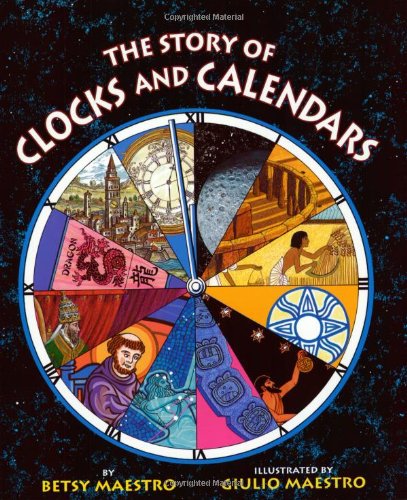
A fun book by the Maestros:


Here are some websites with ideas for working on other areas of math:

http://www.smartfirstgraders.com/counting-activities.html

This site uses a lot of 100 chart activities.  One other thing we did was start a "number scroll."  There are printable grid sheets for this that can be taped to a paper towel roll and then as you finish each sheet (about a hundred numbers go on a sheet), you glue it to the end of the last one and roll it onto the tube.  As the year goes on (and we continued this into third grade), your scroll grows and the kids find it fun to unroll and look at.  It works on number sense and place value.  A lot of times kids have trouble transitioning from one set into another, such as from 399 into 400, 401, 402, etc.

We also did LOTS of skip counting!

Here are a few more ideas for skip counting:

http://thefirstgradeparade.blogspot.com/2010/10/skip-counting.html

Here are some different options for forms that can be used for some morning math work (limited areas of practice):

http://todayinfirstgrade.blogspot.com/2012/07/morning-work-freebie.html

Lots of good ideas here for various morning math topics, including lots of songs:

http://www.madefor1stgrade.com/2012/09/interactive-calendar.html

Downloadable calendar math notebook:

http://www.mamaslearningcorner.com/kindergarten-first-grade-calendar-notebook/

(Hopefully will be updated for next year, or at least some elements of it can still be utilized....)

For geometry, have geoboards, tangrams and geometric solids on hand!

Website ideas:

http://www.k-5mathteachingresources.com/1st-grade-geometry.html

This wonderful math site also has all sorts of other areas of math covered for you - just click on first grade!

Worksheets:

http://www.k6-geometric-shapes.com/first-grade-math-worksheets.html

Symmetry and Venn Diagrams can be used for science, too!

The site has online tutorials, as well:

http://www.k6-geometric-shapes.com/3d-geometric-shapes.html

(This is just one example page....)

You can incorporate sorting or patterning work through geometric shapes, too:

http://www.k6-geometric-shapes.com/sorting-worksheets.html

We used our Tangrams for that a lot....

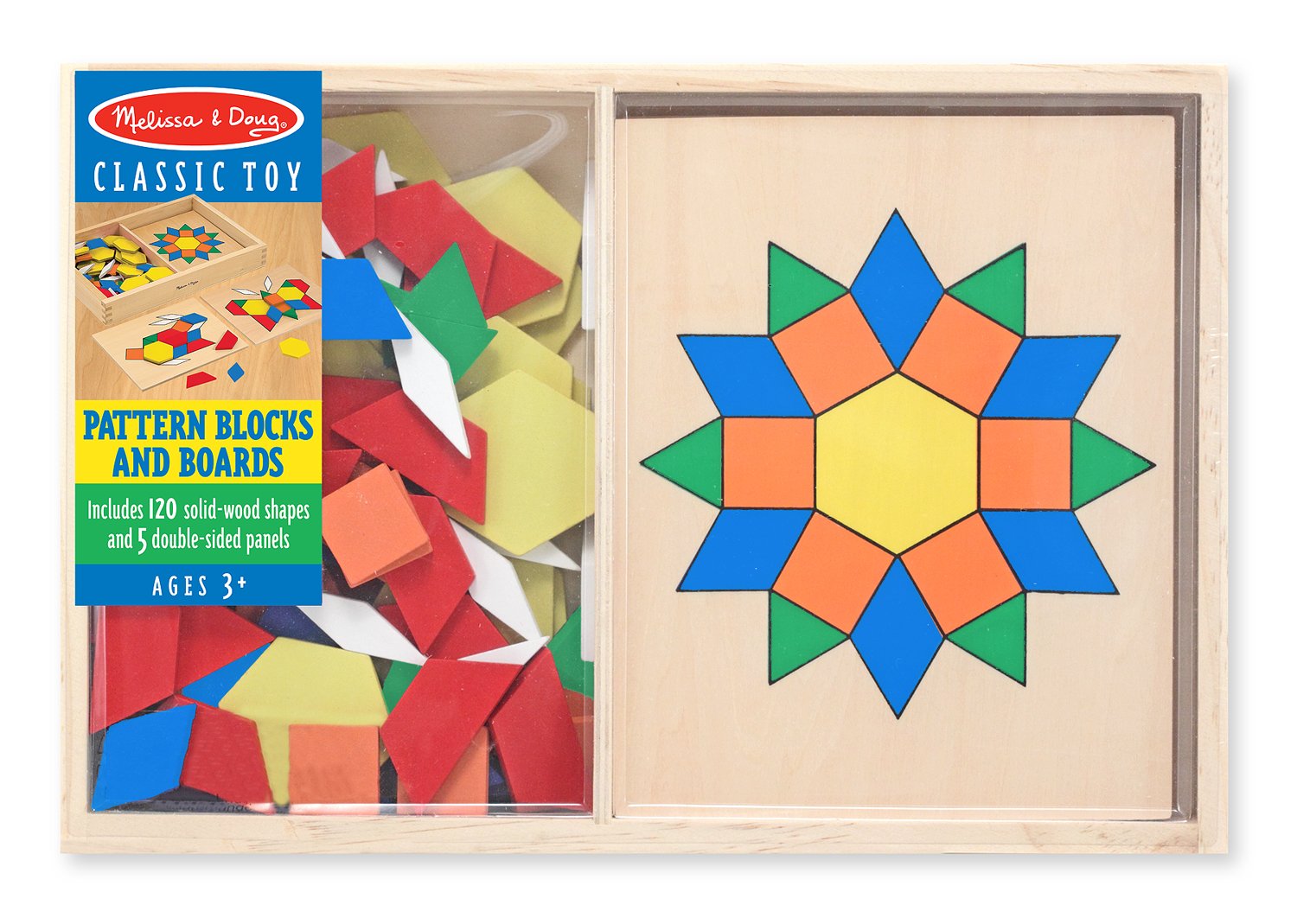
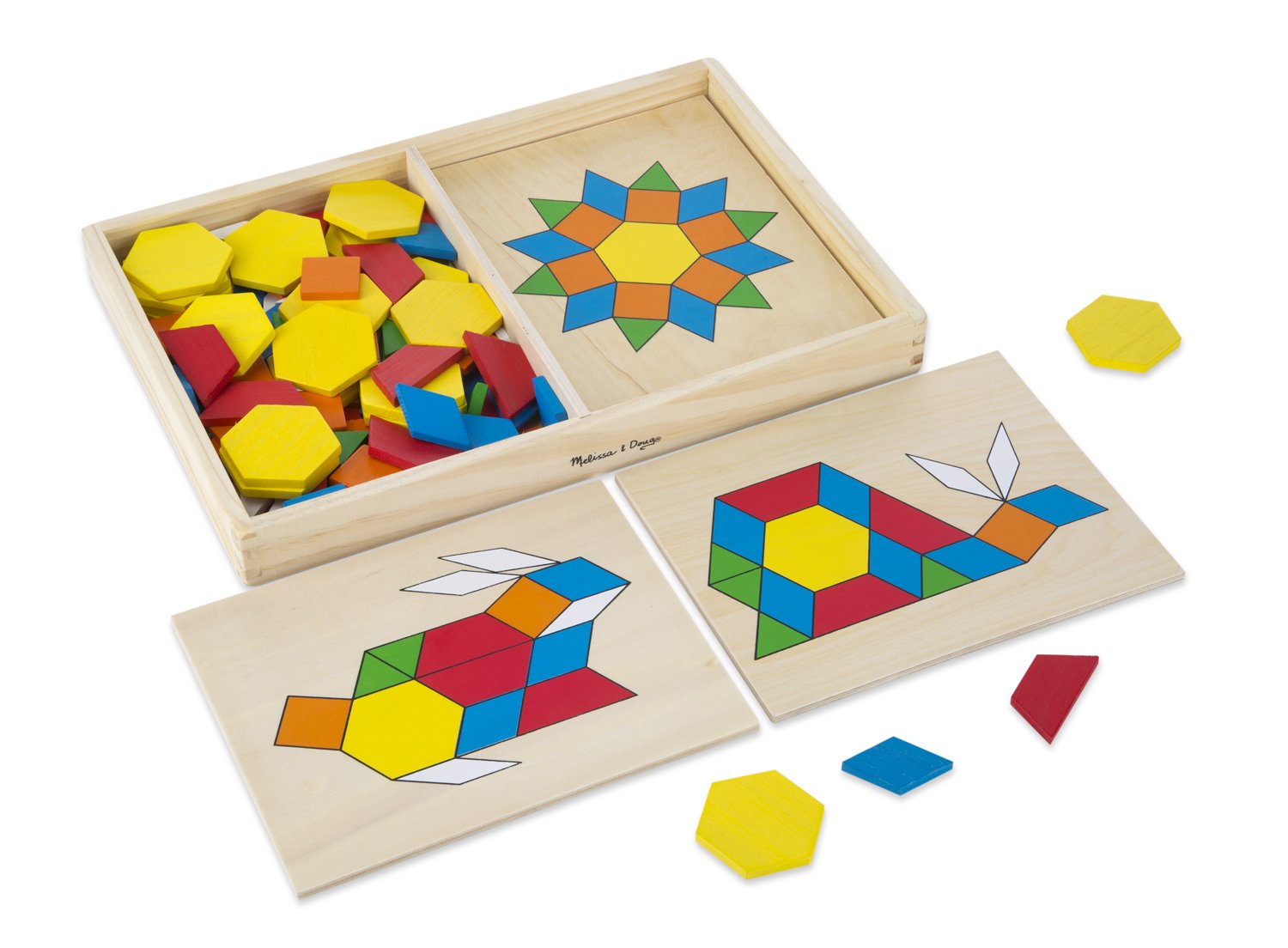
We had a Melissa and Doug set of Tangram puzzles, among others:


As you can see from a puzzle like that of the sun, you could use it for patterning and symmetry work, as well. 

We incorporated living books, too, for math studies as well as language arts studies!  A fun book never hurts to break up the monotony of worksheets.

http://greenapplesblush.blogspot.com/p/living-books-for-spelling-grammar-and.html

I'm sure I'm forgetting some of the areas of math we covered at those early grade levels - there's SO MUCH!  However this is all I can think of right now.  More, later, on other topics of study, such as history and science....

Regena

Friday, March 6, 2015

A few things I would use right now if I were redoing first grade....


I have lost my last student to a move, so I am out of the homeschooling business.  A few days ago, something got me started looking at Calvert School, an old stalwart in the homeschooling business, and that in turn led me to Ambleside Online, which got me started thinking about some things I would use if I were starting out in homeschooling again.  So this is a little reminiscence on my part, to sort of end my involvement with education.  It has been fun....

First Grade Language Arts - Reading, Writing, Grammar, Spelling and Phonics

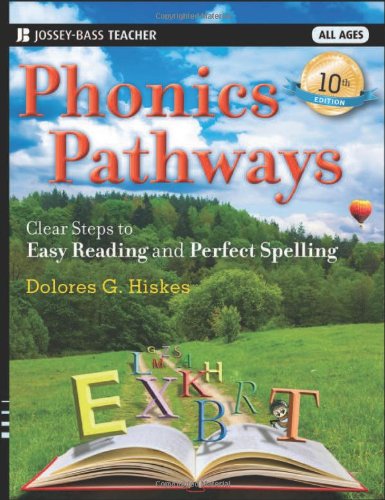
For a child who is not yet reading, or not reading fluently, I continue to believe that a mix of phonics and whole reading concepts does a better job of serving a wider variety of students.  While I continue to think that Phonics Pathways is a great, no frills program, there are tons of flashy programs out there, too.  To me, it seems that practicing reading a half page to a page a day from PP, followed by the treat of reading "real" books, such as the Bob books (a good starting point), followed by any other interesting phonics readers available at your library, should be sufficient.  As children progress in reading skills, they can begin to read from series that do not adhere as closely to phonics rules (they will get more comfortable with all the exceptions to the rules).  I continue to detest, in general, the sorts of books put out by textbook publishers in this regard as they continue to be more about political correctness in one form or another than telling a good story or educating, so I would get into good classics as soon as possible!

            Bob Books Learn To Read Sets

Bob books has a book finder quiz feature at their website that might help you know where to start with their books:  http://bobbooks.com/books/

I would hope that most libraries carry these books, if not Phonics Pathways....

The Bob website also has info on the Bob app, available on iPods and iPads, for those tech savvy kids....

Some beginning readers'  series we have liked:

Rookie Read-About-Science (my younger son wanted non-fiction pretty exclusively for a while):

http://www.barnesandnoble.com/s/?series_id=178622  (Alan Fowler authors lots of these and our library carries a lot of them....)

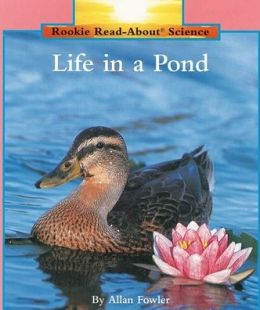
Life in a Pond


Let's-Read-and-Find-out-About-Science series:

http://www.barnesandnoble.com/s/let-s-read-and-find-out-about-science-level-one?store=allproducts&keyword=let%27s-read-and-find-out-about-science+level+one

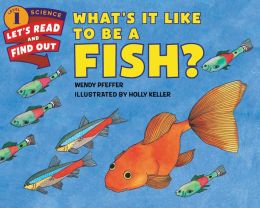
What's It Like to Be a Fish?

You would start with the level one books and then could move on to level two.  Franklyn Branley writes a lot of these.  Again, our library carries these.  With books such as these for readers, you are also covering science topics that you could then expand upon and flesh out for your science for the young child.  Some of these books include simple experiments or project ideas, too.

Step Into Reading books are also graded for levels 1, 2, etc.  They tend not to be that well written, but if you need simpler words and syntax, they might prove helpful directly after Bob books.  Ditto for the Hello Reader! series, and there are many others.  As soon as possible I would try to start working into great, classic children's literature which has much better word usage and sentence structure, such as the Frog and Toad books, Amelia Bedelia; Beatrix Potter books; Robert McCloskey books; Eric Carle, etc., etc.  I would also have them reading poetry such as that of Eugene Fields; Stephenson's A Child's Garden of Verses; Mother Goose, etc.  I would have them memorizing verses, too.  And I would choose beautifully illustrated versions of books to read, in full color!

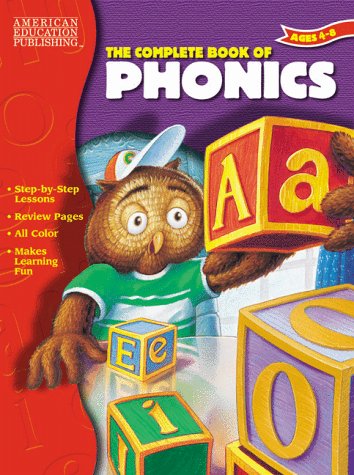
And in case you feel the need for some phonics worksheets (these books used to include game ideas, etc., too....) the Complete books are great and in full color (some children need color more than others):


These books can often be found at places such as Sam's Club or Costco at greatly reduced prices....

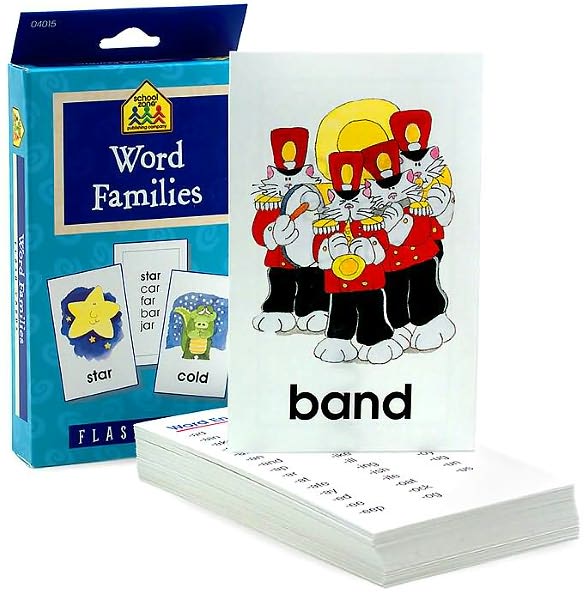
You could also pick up inexpensive flash cards to give you ideas for rhyming words:

Picture Words: Flash Cards


Children who still need more work with the alphabet and perhaps with diagraphs, etc. or short words, and who can benefit from more hands on work, might like to engage in writing in sand, shaving cream, snow, play-doh, or making letters with string, yarn, or other materials!

Writing is going to vary as much as reading for children at this age.  If children have already done pre-writing skills work and don't need lots more of that, then I would start out with Getty-Dubay's writing program.  It is sound; Italics is simpler for boys, especially, than traditional cursive; and I still continue to think that children need to learn solid writing skills.  More and more studies indicate that writing things down, by hand, is MUCH better for memory than taking notes online!  There is just no substitute in learning for WRITING.


I would probably start with the A level book and work through it more quickly if my child was writing with ease, perhaps doing both A and B in the first year.  Otherwise, I would tend to push, but not too much.  On pages that have a lot of writing, I might do half a page a day, rather than an entire page.  Many children are reluctant writers, but backing off all together on writing does not seem to me to be the answer.  I have seen too many kids get to their teen years still unable to physically write a page in response to an assignment. It gets to the point of being embarrassing (and I am not talking about kids with severe dysgraphia, etc., either - I am speaking of kids who could write if they had simply been asked to write more).

Here you can see some pages from the A level book:

http://www.amazon.com/Italic-Handwriting-Series-Book-A/dp/0876780923#reader_0876780923

For spelling work, there are, again, a number of options available and different ones may suit different types of learners.  For one free resource, check out K12:

http://www.k12reader.com/first-grade-spelling-words/

A look at the first list:

http://www.k12reader.com/spelling/Spelling-Word-List-A-1.pdf

Now, these lists only go through sixth grade, they do not include any real work to help with learning the words, other than practice in writing them, and there is no word study.  The words don't really lend themselves all that well to word study, any way, because I don't think they are as rigorous as the words used (at least later on) in some other programs.  Also, there really isn't any written instruction regarding the rules in use for each week's lesson (although I guess you could look that up online).

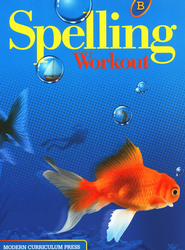
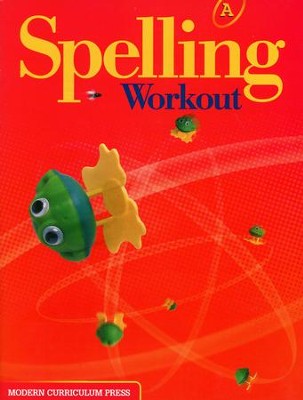
I happened to use Spelling Workout with both my boys and really liked the daily worksheet that practiced a different area of grammar or phonics, in addition to practicing with the spelling words.  We NEVER did pre-tests (Spelling words incorrectly may make it more difficult to correct the spelling later!)

This site lets you look inside the books.  If I had a child who already knew their alphabet well, I might skip the level A book and begin with level B....

http://www.christianbook.com/spelling-workout-level-a-student-edition/9780765224804/pd/522480?event=CF

http://www.christianbook.com/spelling-workout-level-b-student-edition/9780765224811/pd/224811?event=BINGORG


Spelling Workout 2001/2002 Level B Student Edition   -                                        Spelling Workout 2001/2002 Level A Student Edition   -


There is, in general, one page or activity to do, per day, on days Monday through Thursday, then you can test on Friday.  We kept a running list of "trouble" words, or words that were missed on spelling tests.  We would revisit those periodically until they could be spelled with more ease.  With my younger son, who had more difficulty with writing, I often did exercises orally that involved a lot of writing, and transcribed for him, making him do the spelling.  I also let him do his spelling tests orally until he was older, and I found both with him and the student I have been working with more recently that breaking words down into syllables and sounding them out in their syllabic parts allowed them to do a better job spelling.

Grammar in first grade?  I always did it.  There are numerous programs that we have used and enjoyed over time.  With my younger son, again, we tended to cover grammar almost entirely orally at the younger grade levels, with me transcribing where necessary.  I did a similar thing with my most recent student.

Jessie Wise's First Language Lessons is fine for first and second grades, but by the third grade level (actually written by someone else), it becomes so horribly repetitive and simplistic and boring that we had to chuck it.  (And the workbook is just a waste of paper and even more repetitive....)


I used this book with my younger son because it covered things not covered by our regular grammar text, such as picture study and other forms of oral language work.  We primarily used it as a supplement.  I believe there has been a workbook of some sort developed for this book, but I don't know what it looks like. 

I used Rod and Staff Grammar (they call it English) with my younger son as his primary text.  Again, we did much of it orally, with me selecting certain parts of exercises for him to write.  They begin grammar work in grade two, but you could use this with a first grader, spreading it out over two years (especially if supplementing with the above book and doing much of the work orally)....

Grade 2 English Pupil Textbook


Here is a site where you can look inside the book:

http://samples.milestonebooks.com/1-12202-3/

Rod and Staff is a Mennonite publisher.  As such, you must contact them by telephone.  There may be some places now that handle their books online, but I'm not sure how much of a mark-up there would be for those doing that.  I know that direct from the publisher the books are very affordable (unless something had changed recently).  This is probably one of the most thorough programs for grammar that I have seen (too thorough, lol, as you get into the upper grade levels, but great for second through about fifth grade books).  They ARE CHRISTIAN, however, so if you seek materials that have no mention whatsoever of anything Christian related in them, then these might not be for you.  In fact, there might be some Christian related things to be found in FLL and the Emma Serl books, too, because the latter was written from a time period when such references were common in textbooks and the former, while not Christian per se, does not seek to be entirely secular, either, so far as I can remember....

One text that is more secular which I had just started using with my now former student is Winston Grammar.  I think it does a good job and might be good for hands-on learners.  I have heard folks with children who have dyslexia praise it, as well.

Here is their website:

http://www.winstongrammar.com/

We have been using the advanced grammar, but I'm sure that the beginning is set up in a similar manner.  It makes sense to me and is not nearly as repetitive and simplistic as FLL3.

Basic Level Grammar Program


Advanced Level Grammar Program


Winston's ONLY covers parts of speech, nothing else related to grammar.  I might wait until second grade to start it.  I would not use it as my sole source of grammar work.  They use parsing instead of diagramming.  I don't think it really matters which way you do it.  The point is to learn to pick out the parts of speech in a sentence so that you understand how a sentence works (and, presumably, when one does not, lol)....

And don't forget to add a smattering of "living books" to spice things up from time to time!

http://greenapplesblush.blogspot.com/p/living-books-for-spelling-grammar-and.html

That's enough for tonight.  I'll write more about other subjects later....

Regena
Related Posts Plugin for WordPress, Blogger...