This is the framework I used with my younger son in first grade. Yes, this was constantly disrupted by other outside activities, but you have to have some sort of guide to help keep you on track. Luckily, my son never got car sick. We would have him do some work in the car and I also recorded many, many, MANY books and other info onto tape so he could listen to things while I was driving places! I would say, "Turn the page," to cue him so that he could look at the pictures as I read to him. You CAN manage to get your homeschool work done AND also do lots of hands-on classes and field trips! You just have to use a little ingenuity to think how you can cover a topic while traveling. All that down time IS usable.... Don't want to record your own books (or don't have time)? Look for books on tape or short videos related to your topic or other things that could be looked at on a tablet, etc. while in the car. There are many, many ways to accomplish schooling....
Phonics - 8-8:20
Reading - 8:25-8:45
Bible - 8:45-9:05
Music - 9:05-9:25
Math - 9:25-9:45
Writing Practice - 9:45-10:05
Grammar and Spelling - 10:05-10:25
Literature - 10:30-10:50 (We always had extra time to read more!)
Math - 10:55-11:15
Geography - 11:20-11:40
Math and Spanish - 11:45-12:00 - Why would I cram two subjects together with so little time? We always had extra time to get this work done and if we ever didn't, Spanish could be skipped for the day at this age....
Lunch - 12-1
Science - 1-2
History - 2-3
Abbreviated Friday Schedule (because this was the day we most often traveled for field trips):
Phonics
Reading
Writing
Grammar and Spelling
Geography
Literature
Spanish (if time permitted)
Our field trips/activities were generally science or history related. So, for example, in the first two months of our biology study (starting with classification and animals, then birds, then reptiles, etc....), we did a pond and stream study near our home (microscopic life); got a kitten (already planned and looking); began incubating quail eggs; visited the USAF Museum for a homeschool day there; visited the Horsepark here; visited the Cincinnati Zoo with an emphasis on mammals and birds; did a walk at a local arboretum (because it was the right time of fall to collect nuts and seeds, etc.); and bought anoles as we got into our reptile studies....
Regena
Sunday, April 26, 2015


Curriculum I used with my Second Son for Second Grade
Second grade with my older son was my first year of homeschooling. The Internet wasn't then what it is now and I had to rely on mostly written resources and workbooks I found locally at a couple of parent/teacher stores. We certainly didn't lack for variety, lol! I had that child working in a million different little "homework helper" type workbooks throughout the school year. I utilized E. D. Hirsch's book series, What Your _______ Grader Needs to Know in order to keep me on track. I had not yet heard of Susan Wise Bauer's Well Trained Mind, had not discovered Rainbow Resource Center or other time-tested standards for homeschooling. By the time I was teaching my second son, six years behind the older in school, I was ready to put in place more standardized curricula.
I continued allowing about twenty minutes for each morning "class," with ten for "music and movement." In the afternoons, I allowed an hour for science and an hour for history.
Bible
BJU 2 - I tried this for a year and it was okay, but is really designed for an entire classroom of children and I felt it was too time consuming for a simple daily program for one student.
It looks like they now offer a homeschool curriculum, so perhaps that is better geared toward the single student: http://www.bjupresshomeschool.com/store/product_Bible-Truths-2-Subject-Kit____2247031
 This is what the teacher's guide looked like on the edition I used.
Language Arts:
Reading - reading well by this time, my son needed no further phonics work. This will vary by child and one could certainly continue on with the materials from first grade if more of that is needed. For his reading, I had him practice reading aloud as well as reading on his own. These are two very different skills and work different parts of the brain, so both are important! I chose simpler books for him from our history and related literature list, as well as some books related to our science or geography studies and also some classic early readers for young children. I will list here the books he read during the first month or so of school so you can get an idea of what he was reading (remember, we covered Medieval history and Earth and Space science during this year):
Making the World
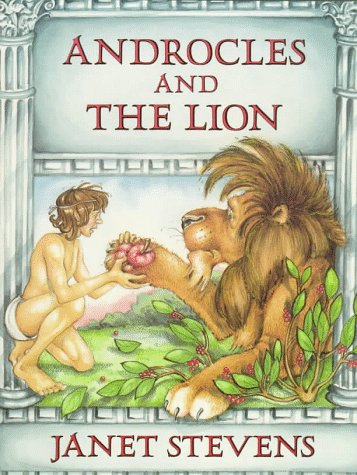
Androcles and the Lion, Janet Stevens
Frog and Toad are Friends
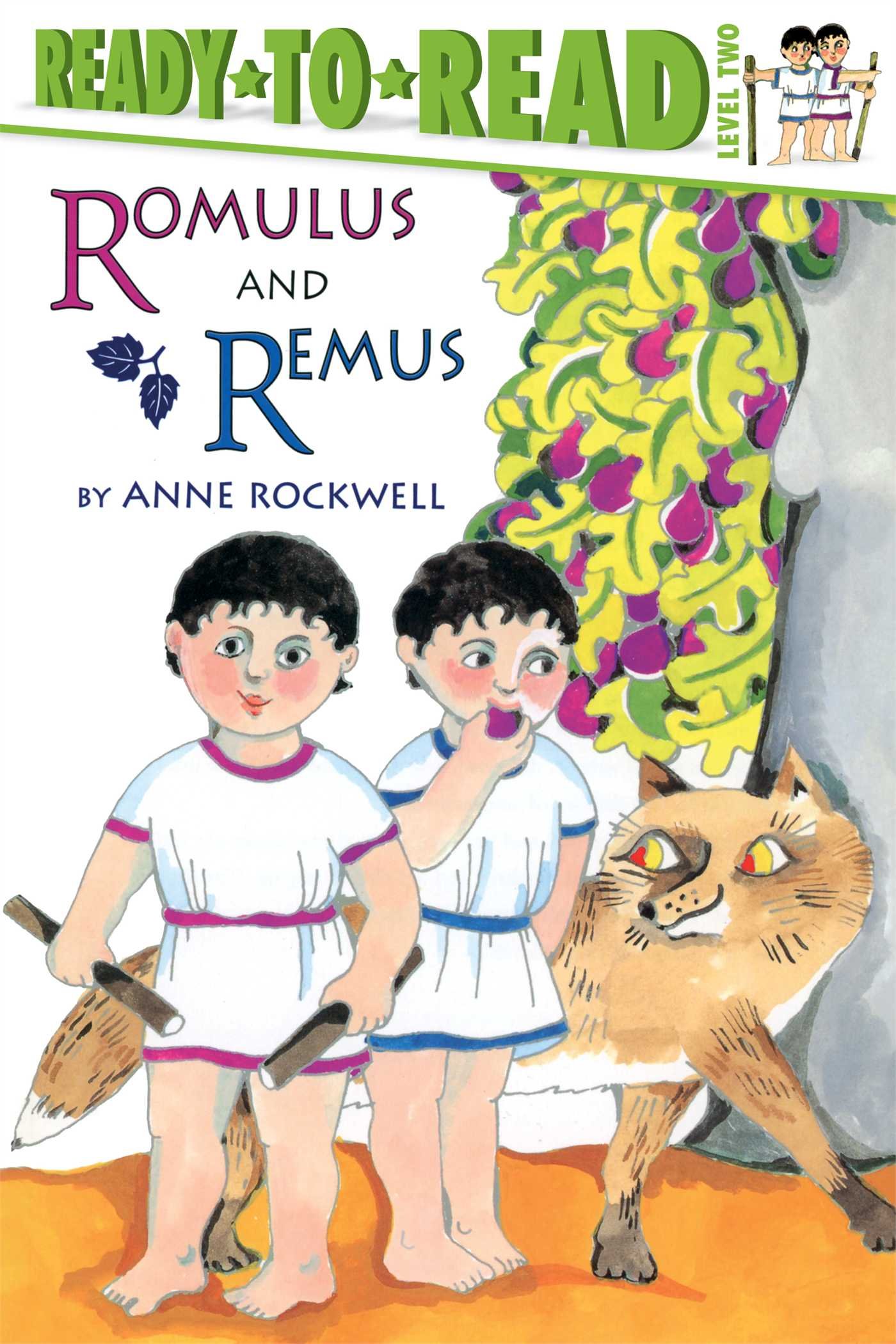
Romulus and Remus, Rockwell
Lionel and Louise
Fox All Week
Moonlight Kite, Buckley
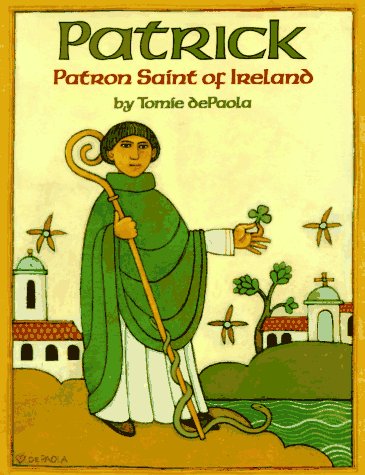
Patrick, Patron Saint of Ireland, DePaola
Frog and Toad Together
Fox in Love
Nate the Great Goes Down in the Dumps
Magic School Bus Voyage to the Volcano
Dinosaur Dinners
A Dinosaur Named Sue
Time Flies (no words; he made up a story as we went along....)
I Can Read About Dinosaurs
Dinosaur Days
Dinosaurs, Charlesworth
Our Literature was primarily related to our history studies for the year, all Medieval. Examples of what I was reading that first month or so included:
Roman Myths, McCaughrean
Rome Antics, Maccauley
The Roman Twins, Gerrard
Beowulf the Warrior, Serraillier
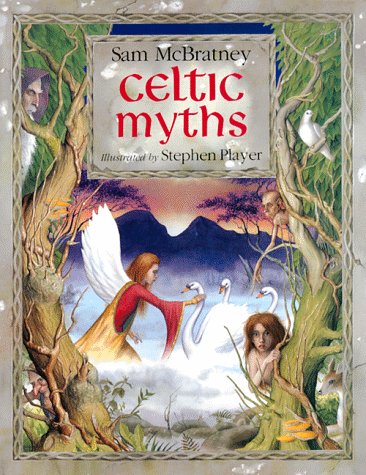
Celtic Myths, McBratney
The Holy Twins, Benedict and Scholastica
The Last Snake in Ireland, Callahan Macgill
The Man Who Loved Books, Jean Fritz
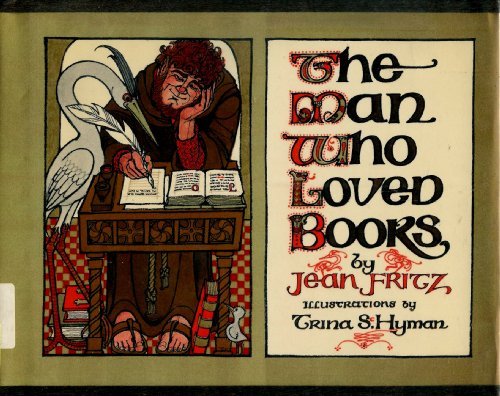
Otto of the Silver Hand, Pyle - I'm pretty sure we didn't like this one and didn't end up reading it....
The Baker's Dozen, Aaron Shepard
The Legend of St. Nicholas, Demi
Young Arthur, San Souci
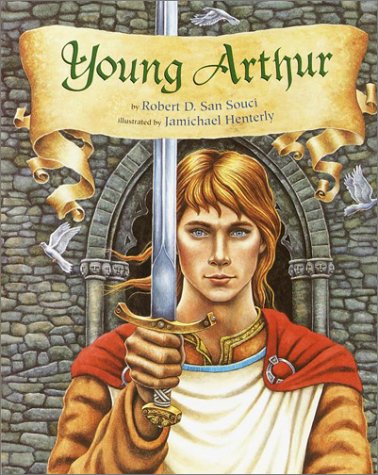
The King who was and Will Be, Crossley-Holland
Lancelot, Talbott
Usborne King Arthur
The King's Chessboard, Birch
The Very Hungry Lion: A Folktale, Wolf
The Wizard Punchkin, Troughton
The Hundredth Name, Oppenheim
The Three Princes: A Tale from the Middle East, Kimmel
Aladdin and Other Tales (DK)
Ali, Child of the Desert, Jonathan London
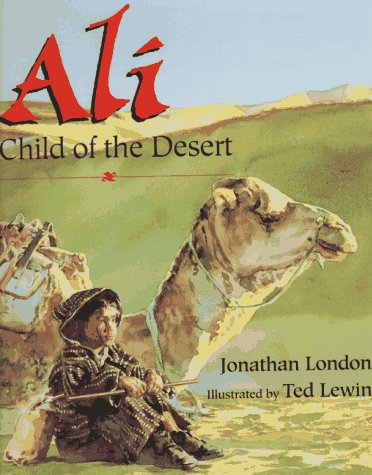
Hosni the Dreamer, Ben-Ezer
The Tale of Aladdin and the Wonderful Lamp, Kimmel
The Tale of Ali Baba and the Forty Thieves, Kimmel
Mini-Classics: Aladdin and Sinbad
Handwriting:
Getty Dubay, book C. Continued with Italic style writing. After he finished this book, I had him do some daily dictation or other writing using Primary Language Lessons (see more on this book under grammar).
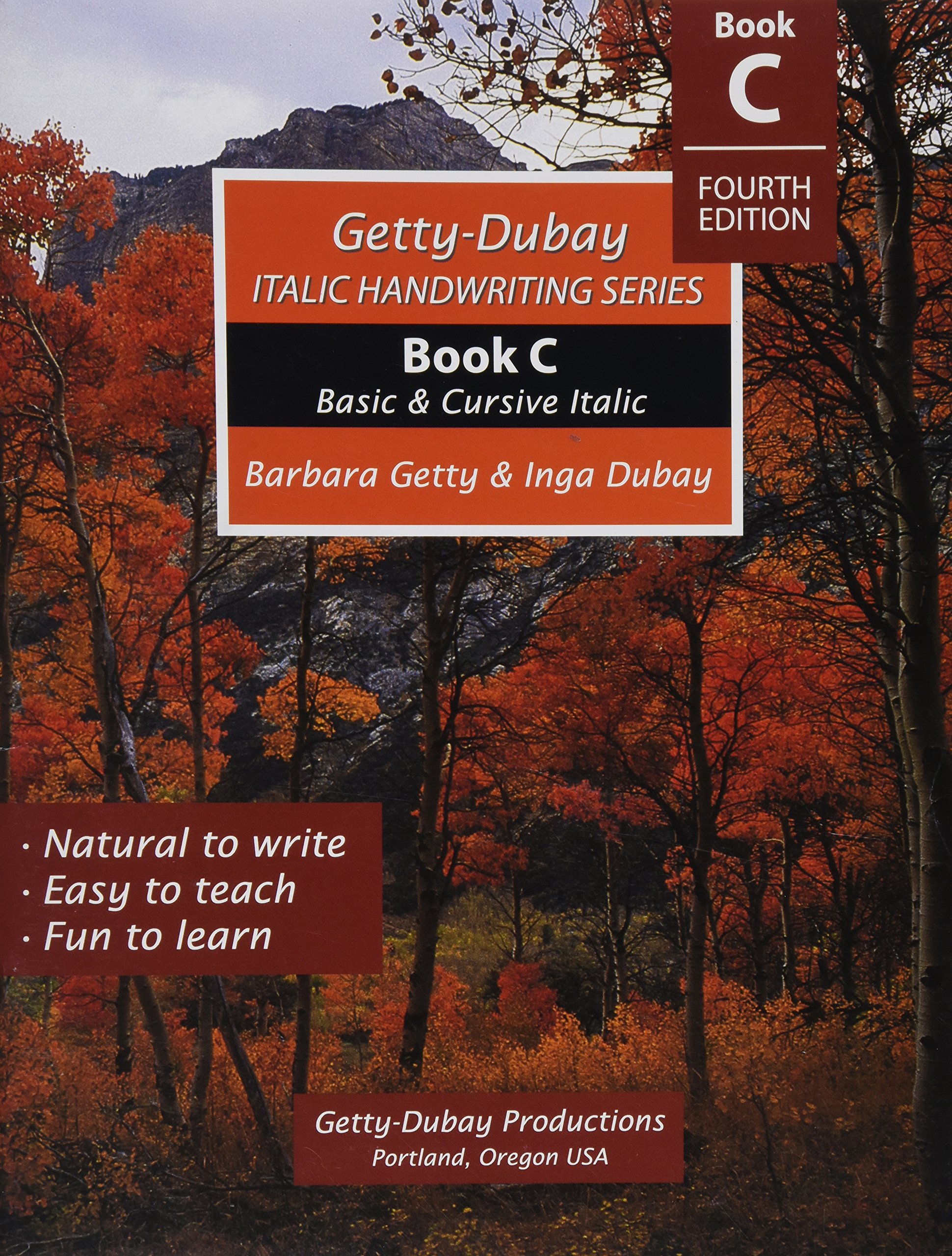 This book begins to transition you into cursive at the end....
Spelling:
Continued with Modern Curriculum Press Spelling Workout, book C. For the first few weeks of school, we worked on some phonics worksheets related to our spelling work just to help solidify some spelling rules, then we switched that time period over to the study of Latin. I thought I doubled up on spelling lessons during this year in order to complete the 8 book series in 6 years (did two books in first grade), but it appears I did not. I must have done that in third and fourth grades, instead....
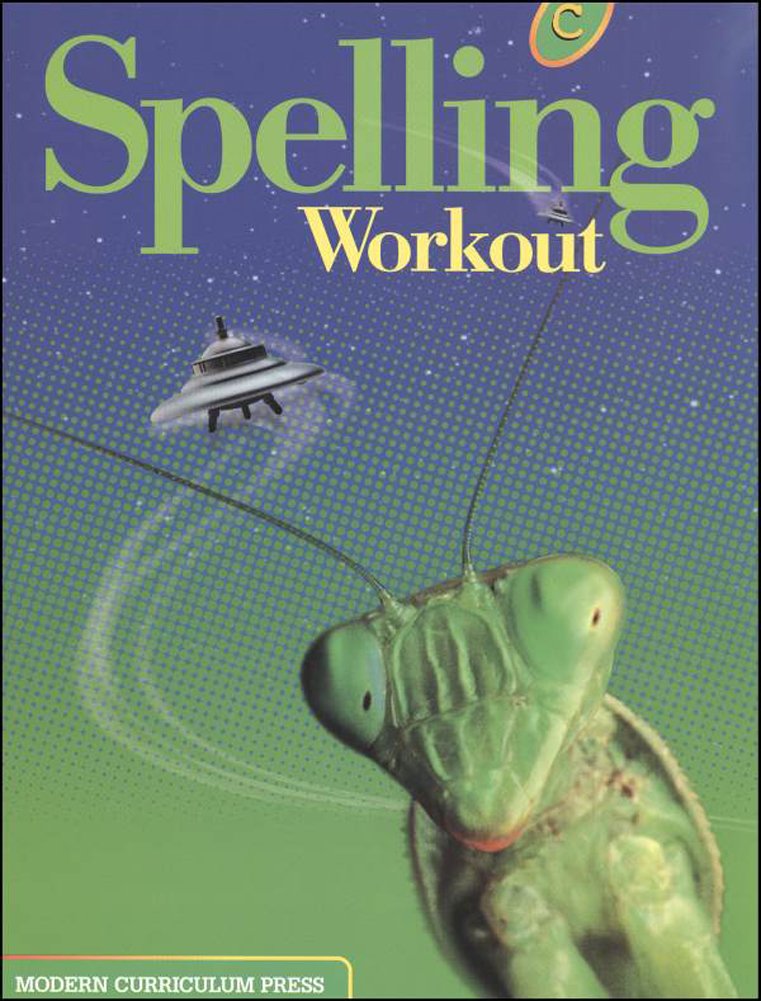 There are different covers for this series. There is one edition of it that is sports related and might be more appealing to boys. The words and exercises are the same, however....
Grammar: Started using what was a new book in the world of buzz surrounding homeschooling, although an old standard: Rod and Staff, book 2. I loved the elementary level books by this company, but later came back to the middle school books and they did not work for my son AT ALL! So don't be afraid to try different things if something doesn't work for you (even if it did in past).... This is a great little book for second grade. Another option would be to continue with First Language Lessons, book 2 (as I later did with a student I tutored), or use that book along with something like Primary Language Lessons in order to get a greater variety of exercises. I added in that book throughout this year. I had a somewhat dysgraphic son, so we did most of our spelling and grammar work orally for the first couple of years. I only had him physically writing a little each day.
 They actually have out a couple of reworked versions of this book now. One has more color photos and clearer images....
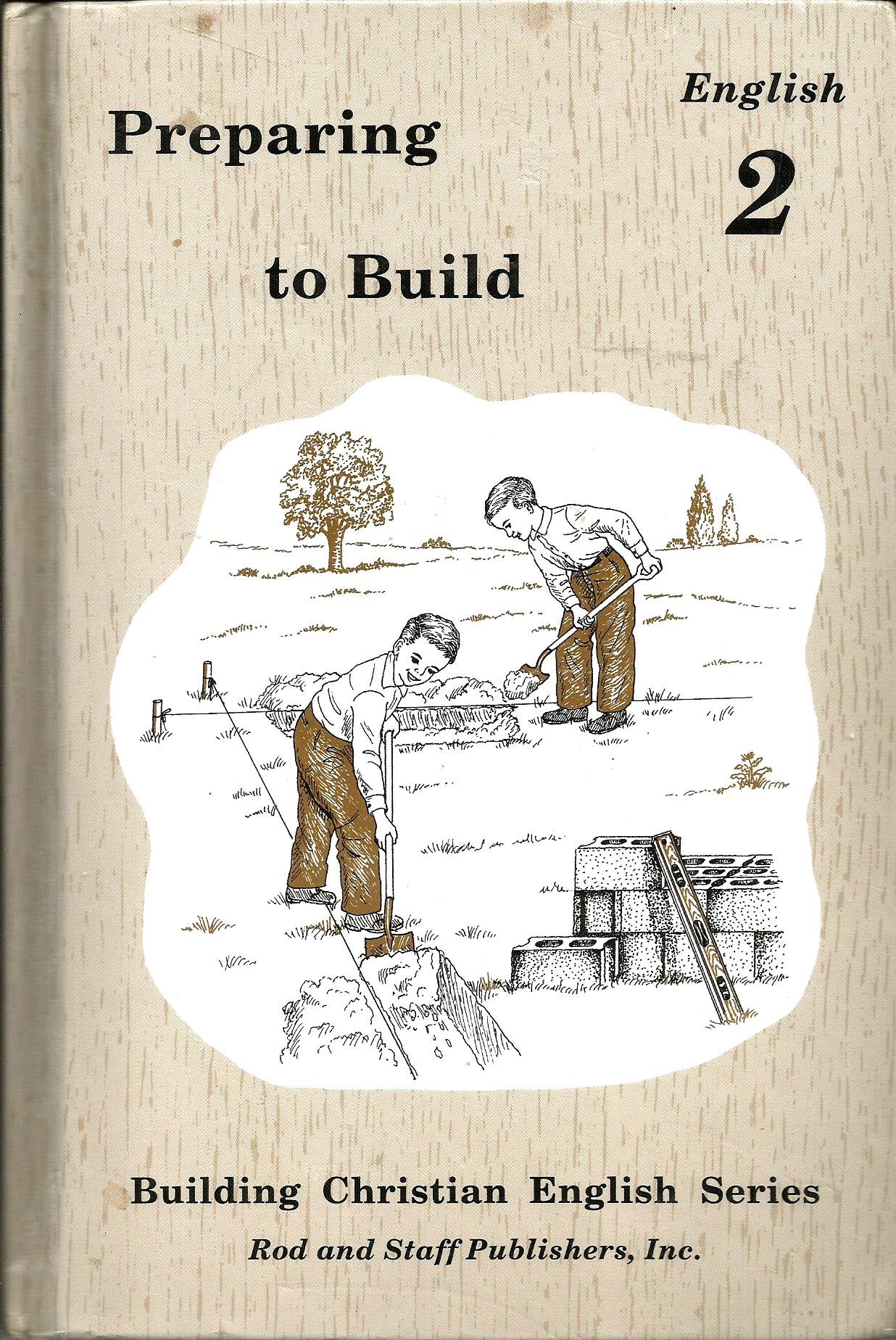 There is a test booklet available in case you'd like to use that either to test retention or even just as exercises (you could break up the tests by section and just do one every now and then....)
I have suggested some other grammar texts in another post in case you do not wish to use a Christian text:
http://greenapplesblush.blogspot.com/2015/03/a-few-things-i-would-use-right-now-if-i.html
Math:
As I said in my post about first grade, I would not use Saxon again for math. I would add in something more rigorous (as opposed to just lots of rote problems to work - more thinking, but perhaps fewer problems - more higher level thinking, rather than just basics).
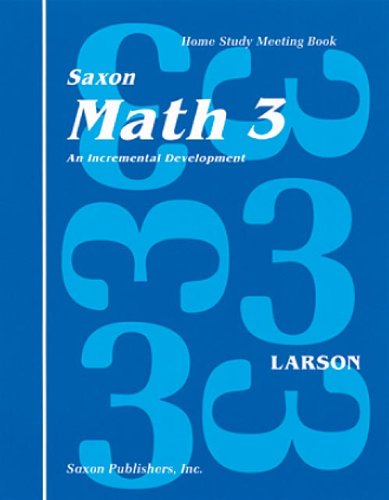
Saxon Math 3 (there is so much repetition in the Saxon books that I skipped a year on this....)
If you need or want extra practice to make sure you are cementing knowledge, then either purchase some of the inexpensive extra practice workbooks Singapore offers; get the teaching guide, which offers tons of suggestions for extra work; and/or use other workbook pages and your hands-on math to reinforce topics.
Geography:
I used the U.S. portion of the book list posted on my blog for first grade. For second grade, we used the international portion of that list, studying countries from around the world and adding in related map work from time to time. (Remember, Story of the World also incorporates some map work into history studies.) I also added in map skills worksheets from various books from time to time. The Complete Book of Maps and Geography is one good, multi-year source of those you might like.
http://greenapplesblush.blogspot.com/p/living-books-for-geography.html
Or, you might like to take a look at using geo-boxes for geography studies. I created these for a small group class I conducted later on and have several posts on the blog about creating them. (Montessori style learning.)
http://greenapplesblush.blogspot.com/2012/07/geography-in-box.html
http://greenapplesblush.blogspot.com/2012/09/intrepid-explorers-begins.html
(And there are some others, too....)
Spanish:
We continued using the same materials from first grade, reviewing vocabulary using the chapters in the Spanish with Children book and adding in more workbook pages, flashcard review, etc. We also began later to add in some basic vocabulary from a Powerglide children's program that I already owned from work with my older son. I had made a huge stack of vocab cards to use along with that, so used those again. He also joined a weekly Spanish class (one hour) with a native speaker that they continued for years.
Latin:
When I added in Latin work a few weeks into the year, I selected a program that I hoped would be fun for a little one: Minimus. I believe they now have a lot of extra support online for this program. We used it for multiple years and added in the little readers later.
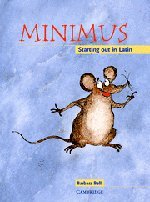
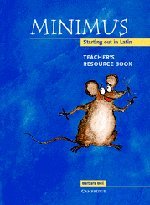
I hear people complain about the cost of the teacher's book, but it contains ALL the extra worksheets and activities to flesh out this program! The student text is VERY inexpensive, as these sorts of books go, so a total language program for about $100 is still way cheaper than most other language programs out there. AND you can use the teacher's guide over and over, then resell it later and recoup some of your money.... There's also a Minimus Secundus, as well as the readers I've mentioned, which you can use later on if you continue for a while with this program (I wouldn't start a more serious program until about fifth grade....)
Music and Movement:
Really not a serious class for us. We listened to a variety of early music (ancient into medieval) over the course of the year. My son began taking piano lessons during this year and sometimes practiced piano at this time. We regularly attended theatrical plays through our children's theatres here, musicals, symphony performances, etc.
Lunch
Science:
An hour to read and explore from our science list for the year. We covered Earth and Space, and included lots of related field trips throughout the year. In looking at the first few weeks of school, I see that we attended a class about the seasons at a local park; joined a Roots and Shoots group that operated all year; we visited Red River Gorge and hiked with a naturalist there; and we visited the Falls of the Ohio and also did a hike led by a naturalist (as well as the things we did on our own at both places)....
http://greenapplesblush.blogspot.com/2015/04/reposting-second-grade-earth-and-space.html
Here are also a couple of posts that cover what I did for geology in a couple of small group classes I taught. You might pick up some useful ideas from those:
http://greenapplesblush.blogspot.com/2012/10/geology-for-grades-k-2.html
http://greenapplesblush.blogspot.com/2012/10/dirt-detectives-geology-for-grades-k-2.html
Then our last hour of the day was history time, and we used Story of the World II to cover Medieval history throughout the year, along with loads and LOADS of living books!
http://greenapplesblush.blogspot.com/2015/04/reposting-second-grade-medieval-history.html
Regena
I continued allowing about twenty minutes for each morning "class," with ten for "music and movement." In the afternoons, I allowed an hour for science and an hour for history.
Bible
BJU 2 - I tried this for a year and it was okay, but is really designed for an entire classroom of children and I felt it was too time consuming for a simple daily program for one student.
It looks like they now offer a homeschool curriculum, so perhaps that is better geared toward the single student: http://www.bjupresshomeschool.com/store/product_Bible-Truths-2-Subject-Kit____2247031
This is what the teacher's guide looked like on the edition I used.Language Arts:
Reading - reading well by this time, my son needed no further phonics work. This will vary by child and one could certainly continue on with the materials from first grade if more of that is needed. For his reading, I had him practice reading aloud as well as reading on his own. These are two very different skills and work different parts of the brain, so both are important! I chose simpler books for him from our history and related literature list, as well as some books related to our science or geography studies and also some classic early readers for young children. I will list here the books he read during the first month or so of school so you can get an idea of what he was reading (remember, we covered Medieval history and Earth and Space science during this year):
Making the World
Androcles and the Lion, Janet Stevens
Frog and Toad are Friends
Romulus and Remus, Rockwell
Lionel and Louise
Fox All Week
Moonlight Kite, Buckley
Patrick, Patron Saint of Ireland, DePaola
Frog and Toad Together
Fox in Love
Nate the Great Goes Down in the Dumps
Magic School Bus Voyage to the Volcano
Dinosaur Dinners
A Dinosaur Named Sue
Time Flies (no words; he made up a story as we went along....)
I Can Read About Dinosaurs
Dinosaur Days
Dinosaurs, Charlesworth
Our Literature was primarily related to our history studies for the year, all Medieval. Examples of what I was reading that first month or so included:
Roman Myths, McCaughrean
Rome Antics, Maccauley
The Roman Twins, Gerrard
Beowulf the Warrior, Serraillier
Celtic Myths, McBratney
The Holy Twins, Benedict and Scholastica
The Last Snake in Ireland, Callahan Macgill
The Man Who Loved Books, Jean Fritz
Otto of the Silver Hand, Pyle - I'm pretty sure we didn't like this one and didn't end up reading it....
The Baker's Dozen, Aaron Shepard
The Legend of St. Nicholas, Demi
Young Arthur, San Souci
The King who was and Will Be, Crossley-Holland
Lancelot, Talbott
Usborne King Arthur
The King's Chessboard, Birch
The Very Hungry Lion: A Folktale, Wolf
The Wizard Punchkin, Troughton
The Hundredth Name, Oppenheim
The Three Princes: A Tale from the Middle East, Kimmel
Aladdin and Other Tales (DK)
Ali, Child of the Desert, Jonathan London
Hosni the Dreamer, Ben-Ezer
The Tale of Aladdin and the Wonderful Lamp, Kimmel
The Tale of Ali Baba and the Forty Thieves, Kimmel
Mini-Classics: Aladdin and Sinbad
Handwriting:
Getty Dubay, book C. Continued with Italic style writing. After he finished this book, I had him do some daily dictation or other writing using Primary Language Lessons (see more on this book under grammar).
This book begins to transition you into cursive at the end....Spelling:
Continued with Modern Curriculum Press Spelling Workout, book C. For the first few weeks of school, we worked on some phonics worksheets related to our spelling work just to help solidify some spelling rules, then we switched that time period over to the study of Latin. I thought I doubled up on spelling lessons during this year in order to complete the 8 book series in 6 years (did two books in first grade), but it appears I did not. I must have done that in third and fourth grades, instead....
There are different covers for this series. There is one edition of it that is sports related and might be more appealing to boys. The words and exercises are the same, however....Grammar: Started using what was a new book in the world of buzz surrounding homeschooling, although an old standard: Rod and Staff, book 2. I loved the elementary level books by this company, but later came back to the middle school books and they did not work for my son AT ALL! So don't be afraid to try different things if something doesn't work for you (even if it did in past).... This is a great little book for second grade. Another option would be to continue with First Language Lessons, book 2 (as I later did with a student I tutored), or use that book along with something like Primary Language Lessons in order to get a greater variety of exercises. I added in that book throughout this year. I had a somewhat dysgraphic son, so we did most of our spelling and grammar work orally for the first couple of years. I only had him physically writing a little each day.
They actually have out a couple of reworked versions of this book now. One has more color photos and clearer images.... There is a test booklet available in case you'd like to use that either to test retention or even just as exercises (you could break up the tests by section and just do one every now and then....)I have suggested some other grammar texts in another post in case you do not wish to use a Christian text:
http://greenapplesblush.blogspot.com/2015/03/a-few-things-i-would-use-right-now-if-i.html
Math:
As I said in my post about first grade, I would not use Saxon again for math. I would add in something more rigorous (as opposed to just lots of rote problems to work - more thinking, but perhaps fewer problems - more higher level thinking, rather than just basics).
Saxon Math 3 (there is so much repetition in the Saxon books that I skipped a year on this....)
If you need or want extra practice to make sure you are cementing knowledge, then either purchase some of the inexpensive extra practice workbooks Singapore offers; get the teaching guide, which offers tons of suggestions for extra work; and/or use other workbook pages and your hands-on math to reinforce topics.
Geography:
I used the U.S. portion of the book list posted on my blog for first grade. For second grade, we used the international portion of that list, studying countries from around the world and adding in related map work from time to time. (Remember, Story of the World also incorporates some map work into history studies.) I also added in map skills worksheets from various books from time to time. The Complete Book of Maps and Geography is one good, multi-year source of those you might like.
http://greenapplesblush.blogspot.com/p/living-books-for-geography.html
Or, you might like to take a look at using geo-boxes for geography studies. I created these for a small group class I conducted later on and have several posts on the blog about creating them. (Montessori style learning.)
http://greenapplesblush.blogspot.com/2012/07/geography-in-box.html
http://greenapplesblush.blogspot.com/2012/09/intrepid-explorers-begins.html
(And there are some others, too....)
Spanish:
We continued using the same materials from first grade, reviewing vocabulary using the chapters in the Spanish with Children book and adding in more workbook pages, flashcard review, etc. We also began later to add in some basic vocabulary from a Powerglide children's program that I already owned from work with my older son. I had made a huge stack of vocab cards to use along with that, so used those again. He also joined a weekly Spanish class (one hour) with a native speaker that they continued for years.
Latin:
When I added in Latin work a few weeks into the year, I selected a program that I hoped would be fun for a little one: Minimus. I believe they now have a lot of extra support online for this program. We used it for multiple years and added in the little readers later.
I hear people complain about the cost of the teacher's book, but it contains ALL the extra worksheets and activities to flesh out this program! The student text is VERY inexpensive, as these sorts of books go, so a total language program for about $100 is still way cheaper than most other language programs out there. AND you can use the teacher's guide over and over, then resell it later and recoup some of your money.... There's also a Minimus Secundus, as well as the readers I've mentioned, which you can use later on if you continue for a while with this program (I wouldn't start a more serious program until about fifth grade....)
Music and Movement:
Really not a serious class for us. We listened to a variety of early music (ancient into medieval) over the course of the year. My son began taking piano lessons during this year and sometimes practiced piano at this time. We regularly attended theatrical plays through our children's theatres here, musicals, symphony performances, etc.
Lunch
Science:
An hour to read and explore from our science list for the year. We covered Earth and Space, and included lots of related field trips throughout the year. In looking at the first few weeks of school, I see that we attended a class about the seasons at a local park; joined a Roots and Shoots group that operated all year; we visited Red River Gorge and hiked with a naturalist there; and we visited the Falls of the Ohio and also did a hike led by a naturalist (as well as the things we did on our own at both places)....
http://greenapplesblush.blogspot.com/2015/04/reposting-second-grade-earth-and-space.html
Here are also a couple of posts that cover what I did for geology in a couple of small group classes I taught. You might pick up some useful ideas from those:
http://greenapplesblush.blogspot.com/2012/10/geology-for-grades-k-2.html
http://greenapplesblush.blogspot.com/2012/10/dirt-detectives-geology-for-grades-k-2.html
Then our last hour of the day was history time, and we used Story of the World II to cover Medieval history throughout the year, along with loads and LOADS of living books!
http://greenapplesblush.blogspot.com/2015/04/reposting-second-grade-medieval-history.html
Regena
Saturday, April 25, 2015
Curriculum I used for First Grade with my Second Son
When I was homeschooling, I never prepared info on what curriculum I used with my children each year. Here are some of the major things I used with my younger son for first grade:
We began our day with the Pledge of Allegiance and the Lord's Prayer until my son learned the meaning of the words in those and the meaning of each of them as a whole. In other years we started our day with Bible work. You could start your day with any sort of memory work, music, etc.
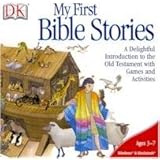
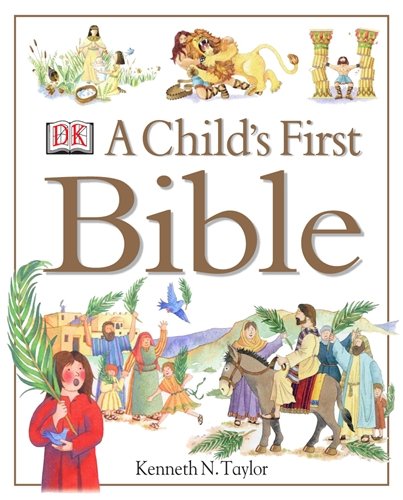
For our Bible time, I used a variety of things, including DK's First Book of Bible Stories. It used to come with a CD. Now it looks like they are sold separately.
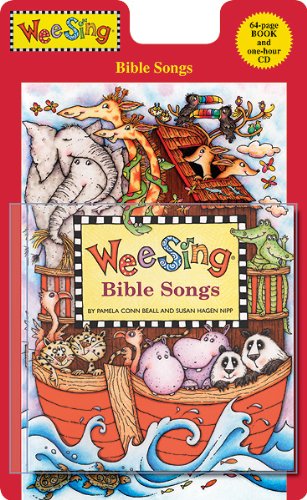
We also used a lot of Wee Sing that year.


Curriculum I used with my first grader: Language Arts:
Phonics
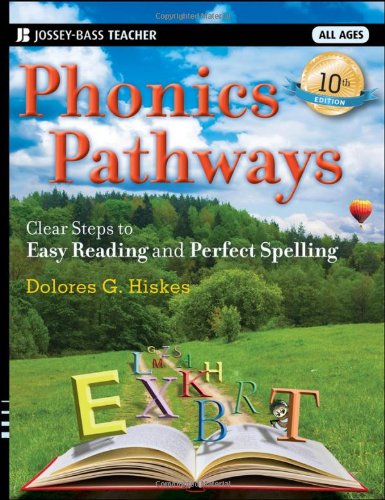
The very best part of this program, other than that it is direct, simple, and effective, is that that it is CHEAP. Many phonics programs cost hundreds of dollars, but not this one!
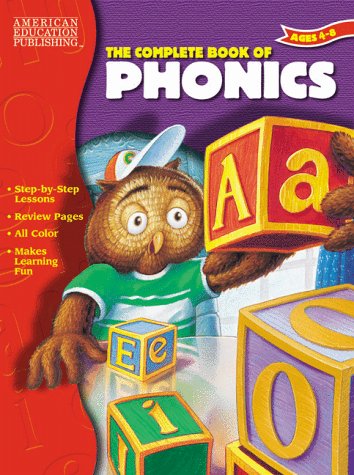
I utilized some phonics workbooks, such as Reader Rabbit and 100 Words Every First Grader Should Know, etc. with this. My favorite phonics workbook, I think, is The Complete Book of Phonics, if you can still find it.
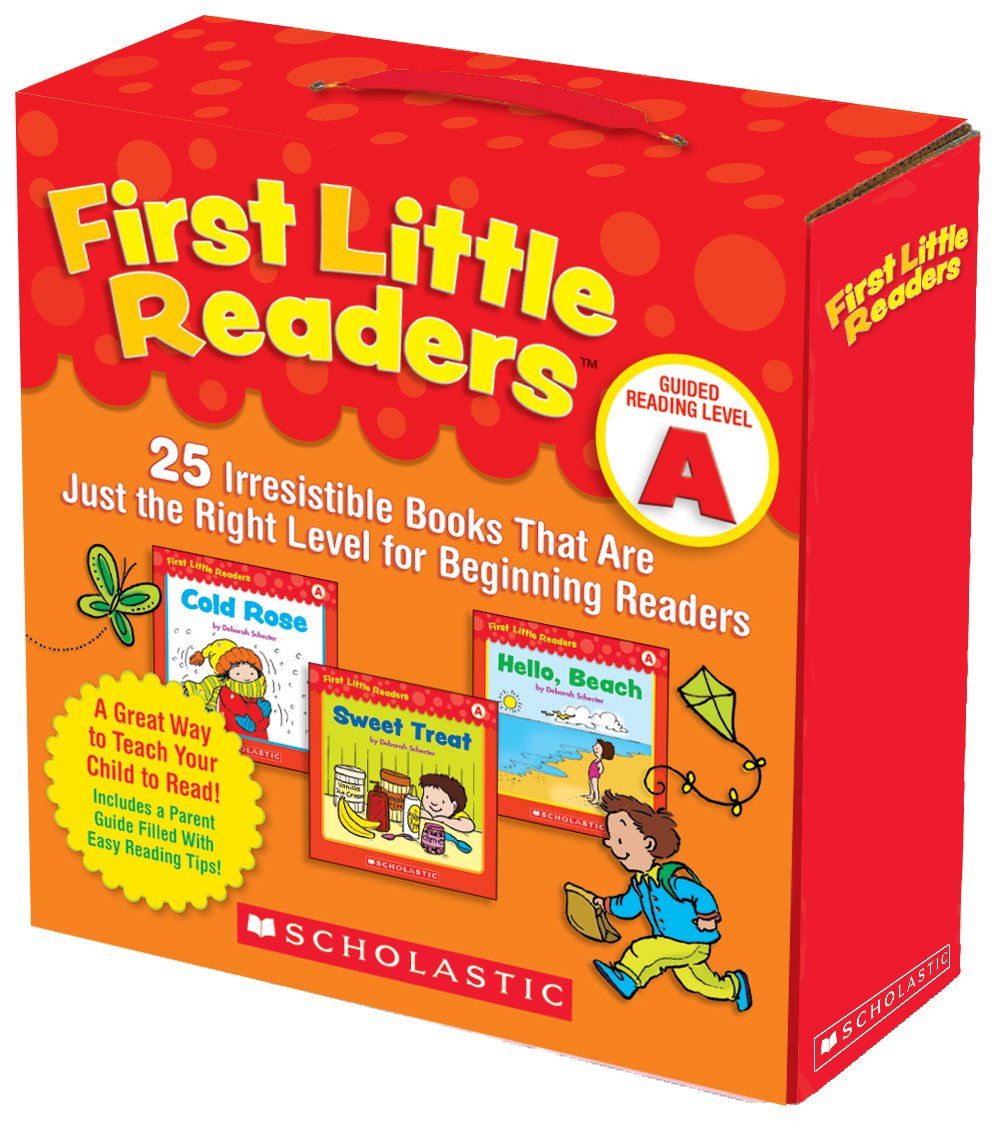
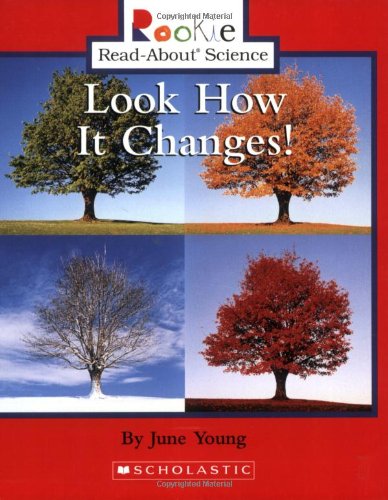
Various phonics readers, such as Scholastic, Bob books, Rookie Read About Science books, etc.

Handwriting
Getty Dubay Italic - we used both book A and B during this year.

This is a nice handwriting program, especially for boys. It is easier for them to write Italic cursive than other forms of cursive. It is also good for any children who have mechanical problems with writing. We did two books because the first one involved less writing and I wanted my child to have more writing practice. The books are not long enough to provide one page per day for a full 180 day school year.
First Language Lessons 1
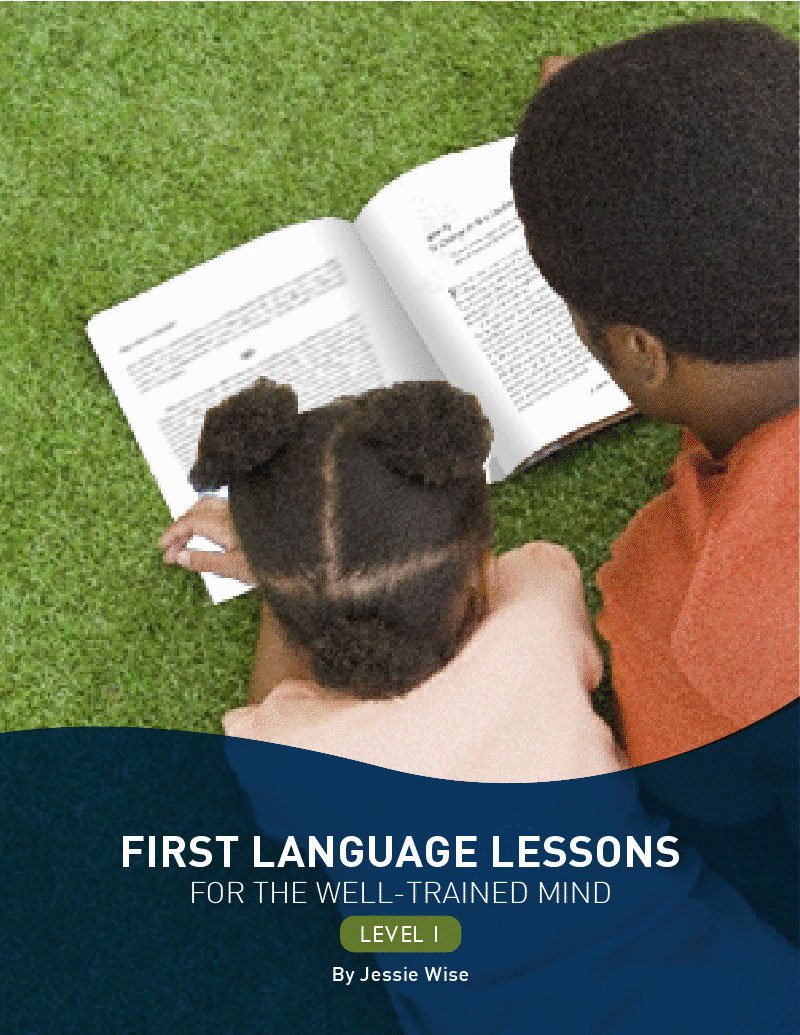
I did like levels 1 and 2 of this book, written by Jessie Wise, but I later tried to use the level 3 (written by someone else) and absolutely hated it! The dictation exercises in this provide your "writing" practice for the year.
Spelling
We used both level A and B during this year of Modern Curriculum Press Spelling Workout.

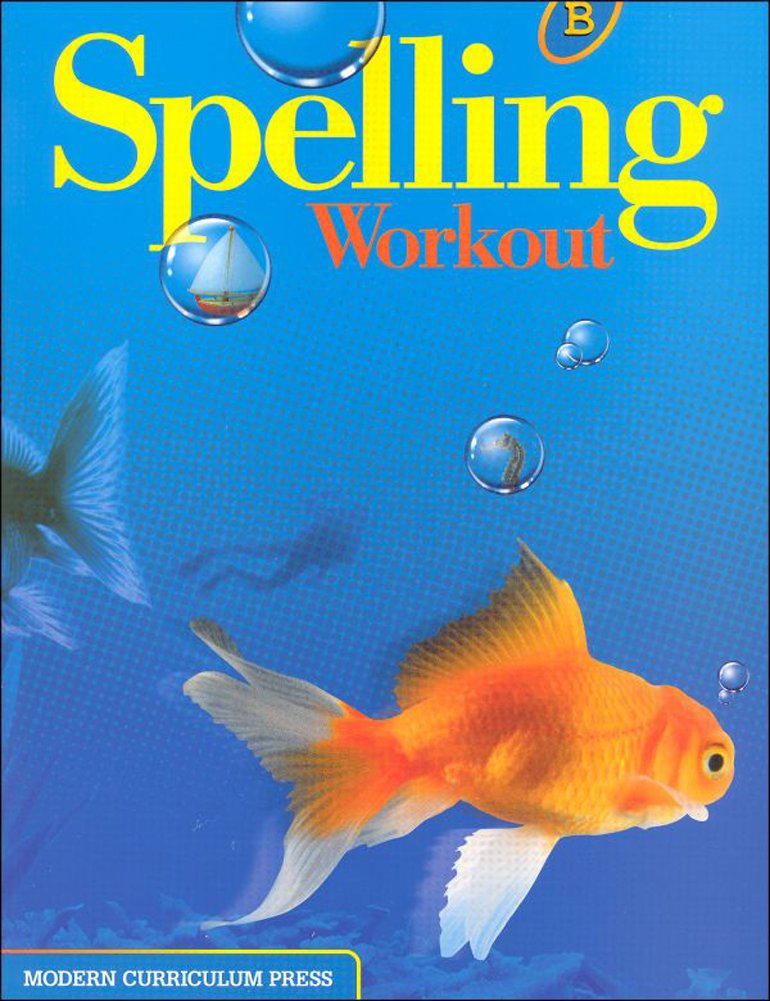
This program has a worksheet for each day and then you test on Fridays. As you progress through the books, it really becomes a very nice word study. We did two books early, while the words were easier, so that we could finish up the 8 book series by the end of sixth grade. We did a book and a half each of the next two years, and then one book each year for the rest of the time.
Our Literature readings for the year were usually tied in some way to our history, although we also read a lot of books related to our science study of biology (primarily animals). We talked throughout the year about the difference between fiction, non-fiction, realistic fiction and non-fiction topics narrated by fictional characters (such as Ms. Frizzle).... We also talked about how folktales, mythology, fairy tales, etc. got started and about how some stories were meant to teach a lesson or impart a moral (Aesop's)....
My reading lists for history and literature, as well as science and geography, can be found here on the blog in other posts or pages.
http://greenapplesblush.blogspot.com/2010/12/books-i-used-with-first-grade-biology.html
http://greenapplesblush.blogspot.com/p/living-books-for-geography.html
http://greenapplesblush.blogspot.com/2010/12/first-grade-history-and-literature.html
Math
I used Saxon Math 1. I found it very repetitive and cumbersome. I would never use it again. At the time, lots of people were using two math programs together. I had used Singapore with my older son and thought I would add this for the younger one. It was really unnecessary.

I thought Saxon would help me cover all the "morning math" type topics, but I actually preferred other workbooks for that.
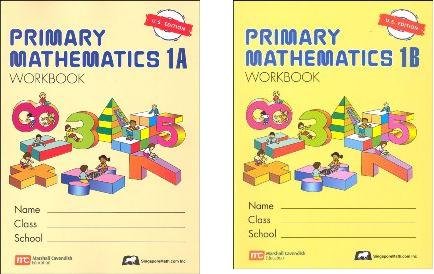
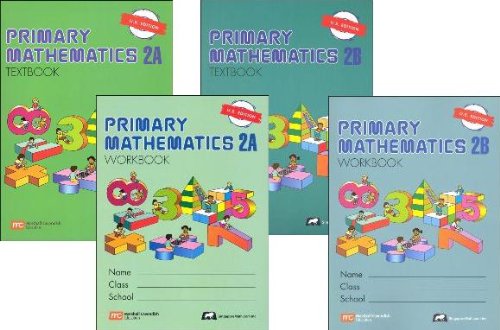
Singapore is an EXCELLENT math program! It builds an understanding of math that will be important for higher level maths, later. We actually worked through both Singapore 1 and 2 this year.
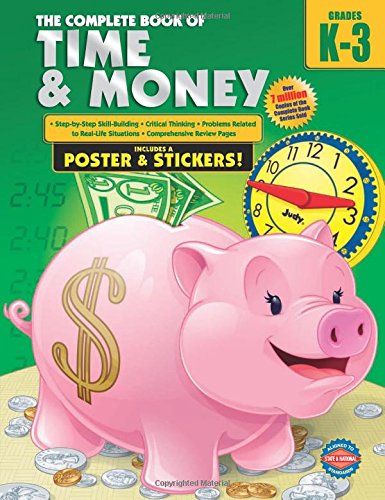
Lots of additional workbooks and/or supplies are needed for elementary maths. Measuring sticks, counters, blocks for practicing place value, some sort of scale, geometry products such as tangrams and geoboards, clocks, money, etc.
One other workbook I used all year:
Here are some additional ideas for first grade math:
http://greenapplesblush.blogspot.com/2015/03/a-few-things-math.html
Spanish
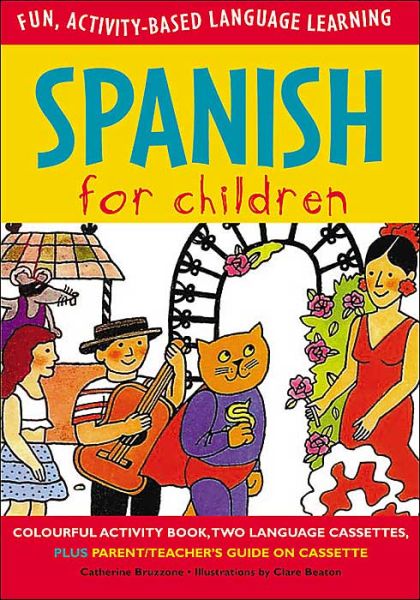
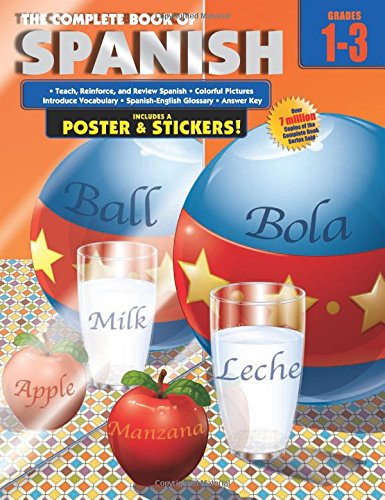 (workbook for reinforcement)
I also used Spanish flashcards to help with learning vocab.
Regena
Subscribe to:
Posts (Atom)
